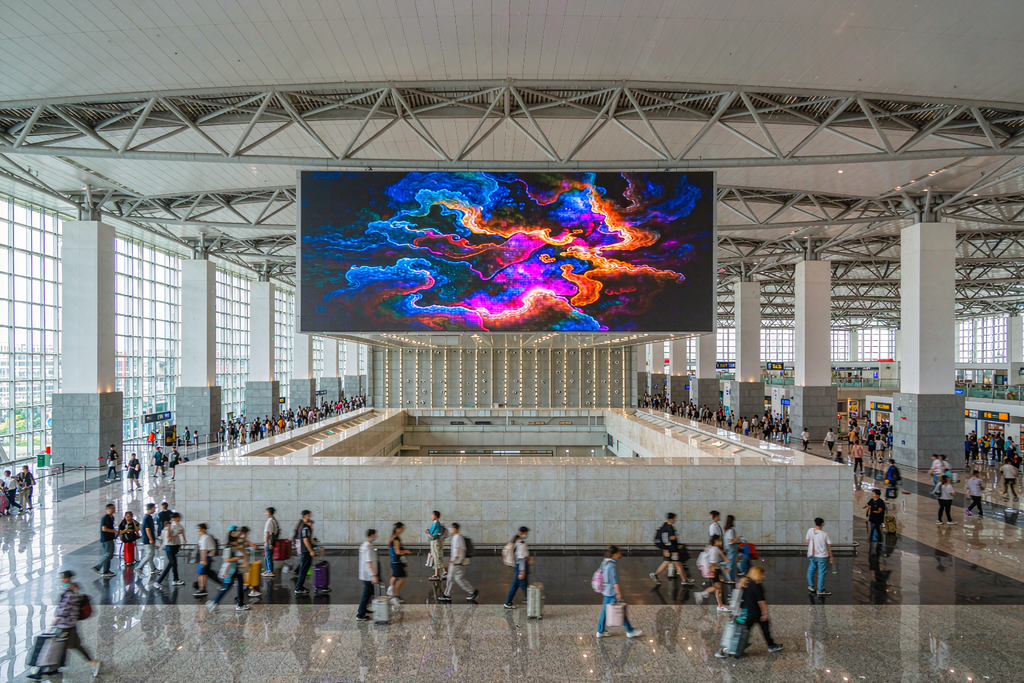
Why Micro LED Screen Technology Is Reshaping the Display Industry
The display industry has been evolving for decades, moving from CRT to LCD, then to OLED. In 2026, a new technology is taking the next leap forward. A micro led screen uses microscopic inorganic LEDs as individual pixels, creating images that are brighter, sharper, and more durable than anything that came before.
Major electronics brands have already shipped first-generation products. Samsung, LG, Sony, and several Chinese manufacturers have all launched commercial micro led screen solutions. Apple’s roadmap also points to wider adoption in the years ahead.
For commercial buyers, the question is no longer whether this technology works. The question is when and how to adopt it. Here are 7 key advantages that explain why micro led screen installations are accelerating across industries in 2026.
1. Extreme Brightness for Any Lighting Condition
Traditional LED screens already outperform LCD and OLED in terms of brightness. A micro led screen takes this further. Peak brightness levels can exceed 5000 nits, several times higher than standard OLED panels.
This matters in commercial environments. Airports, train stations, shopping malls, and outdoor billboards all face strong ambient light. A conventional display can look washed out under direct sunlight or bright indoor lighting. These screens stay vivid and readable in all of these conditions.
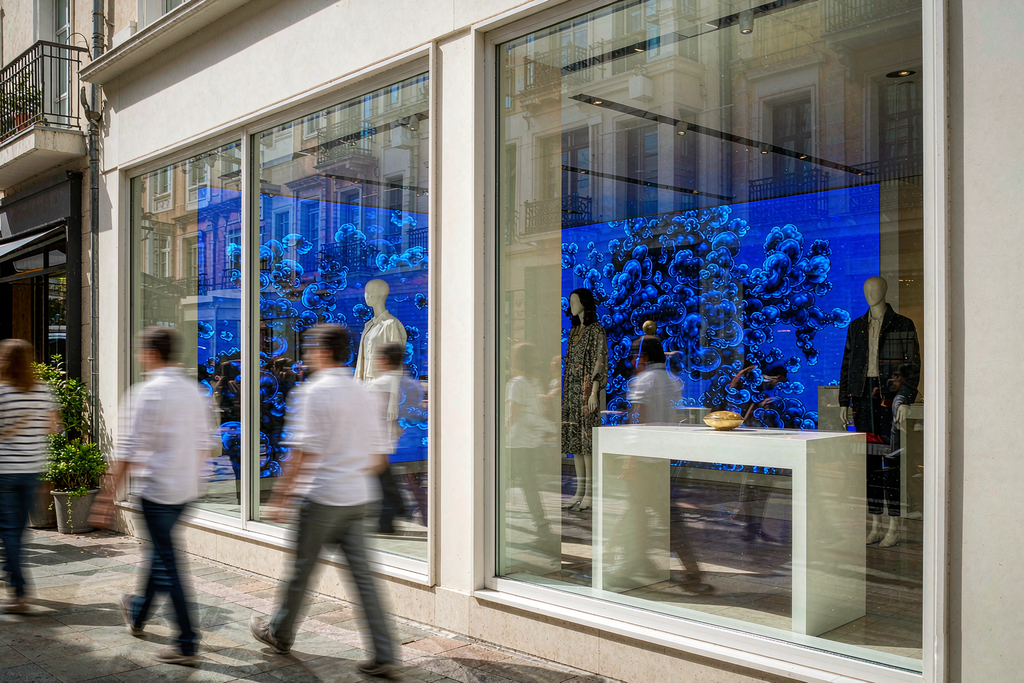
For retail stores with large window fronts, the same technology means digital signage looks just as bright at noon as it does at dusk. There is no need to manually adjust brightness throughout the day.
2. Perfect Blacks and Infinite Contrast Ratio
Each pixel in a micro led screen produces its own light. When a pixel is off, it is completely dark, just like OLED. This creates perfect blacks and an effectively infinite contrast ratio.
For commercial buyers, this translates to better-looking video content and more impactful advertising. Product images pop off the screen. Dark scenes in promotional videos retain all their detail. Logos and graphics look sharper and more defined.

In a luxury retail environment, where visual presentation directly affects buying decisions, this level of image quality can make a real difference. The same principle applies to high-end automotive showrooms, jewelry stores, and flagship brand experiences.
3. Modular Design for Any Installation
Unlike traditional TVs or monitors, a micro led screen is built from small modular tiles. Each tile contains its own pixels and electronics. These tiles can be combined to create displays of any size, aspect ratio, or shape.
A small retail boutique might use a 2-meter wide screen behind the counter. A corporate lobby might use a 6-meter wide installation. A concert venue might build a 20-meter curved backdrop. All of these use the same fundamental building blocks.

The modular design also simplifies maintenance. If one tile fails, you only need to replace that single unit, not the entire screen. Service can often be completed in less than an hour with minimal disruption to operations.
4. Lifespan That Outlasts Competing Technologies
Projectors need lamp replacements every few years. OLED panels can suffer from burn-in over time. Both factors add to the long-term cost of ownership.
A micro led screen uses inorganic LEDs, which are far more stable than the organic compounds in OLED. The result is a panel rated for 100,000 hours of use, with virtually no burn-in risk. Static content can run continuously without damaging the screen.
For commercial installations that operate 12 to 24 hours per day, this translates to a service life of 10 to 20 years before any major component replacement. Over that span, the total cost of ownership is often lower than cheaper alternatives that need frequent maintenance.
5. Lower Power Consumption and Heat Output
Power efficiency is becoming a serious concern for commercial display buyers. Energy costs are rising, and corporate sustainability goals are pushing procurement teams toward greener technology.
A micro led screen is significantly more efficient than LCD screens. There is no backlight to power, and each pixel only draws energy when it is lit. Independent tests show that these screens can use 30 to 50 percent less power than equivalent LCD installations at the same brightness level.
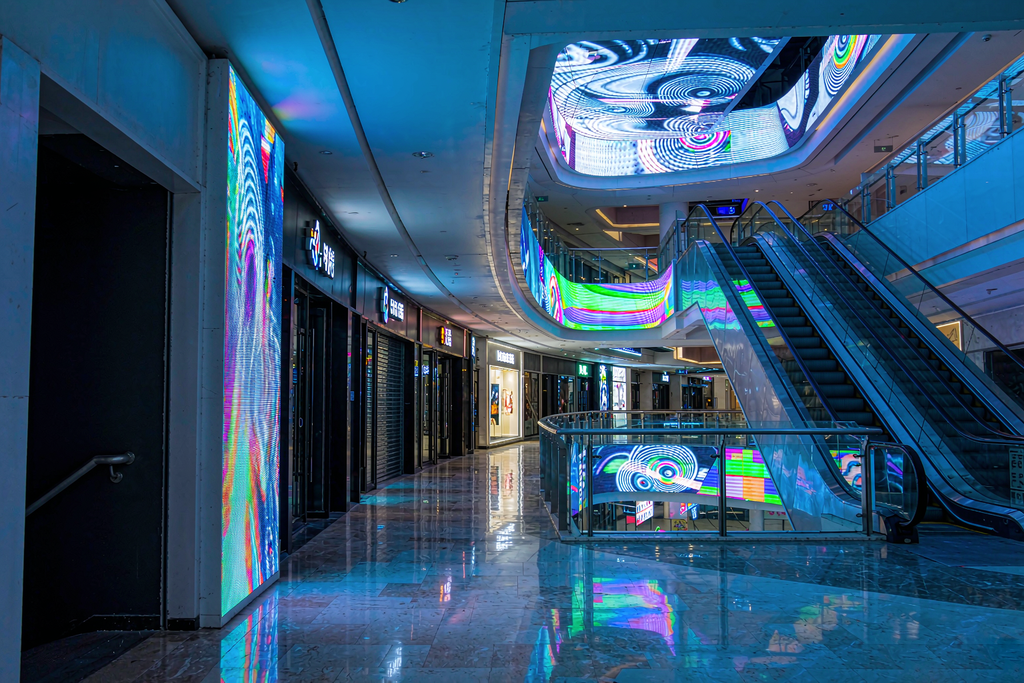
Lower power consumption also means less heat output. In enclosed spaces like control rooms, broadcast studios, and indoor retail displays, this reduces the load on air conditioning systems and extends the life of nearby equipment.
6. Wide Color Gamut for Premium Content
Color accuracy matters more in some industries than others. Film studios, broadcast networks, fashion brands, and product designers all need displays that show colors as the creators intended.
A micro led screen can cover more than 110 percent of the BT.2020 color space, the standard used in modern 4K and 8K content. Color accuracy stays consistent even at high brightness levels, which is something traditional OLED screens struggle to achieve.
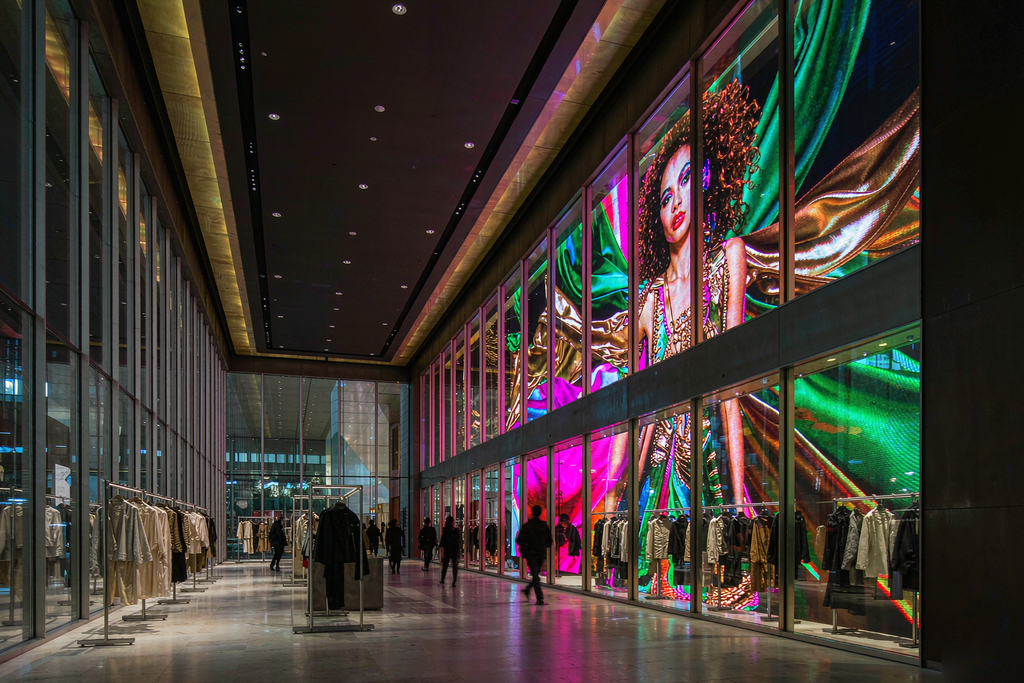
For broadcast and post-production work, this level of color fidelity reduces the need for constant recalibration. For advertising and brand marketing, it means logos look consistent across global campaigns and across multiple installations.
7. Falling Prices Make It a Real Option in 2026
For years, micro led screen technology was prohibitively expensive. Early commercial panels cost more than $100,000 for a 4K configuration. That barrier is starting to fall.
Mass production has improved. Yields are higher. Competition among Samsung, LG, Sony, and Chinese brands has pushed prices down. Industry analysts expect prices to drop by another 30 to 50 percent over the next two years.
Several manufacturers have already announced sub-$20,000 models for commercial buyers in 2026. As prices continue to fall, mid-size installations are becoming realistic for a much wider range of businesses.
Final Thoughts
A micro led screen is no longer a luxury reserved for the largest budgets. It is a practical, mature technology that delivers real commercial value. The advantages are clear: extreme brightness, perfect blacks, modular flexibility, long lifespan, energy efficiency, accurate colors, and falling prices.
For commercial buyers evaluating a major display upgrade in 2026, this technology deserves serious consideration. Work with a supplier who understands both the technical requirements and the rapidly evolving product landscape. The right partner will help you select the right pixel pitch, panel size, and configuration for your specific use case.
If you want to learn more about the underlying LED display technology, you can read the LED display article on Wikipedia.
To discuss screen size, installation, viewing distance, and project requirements, request a custom LED consultation.