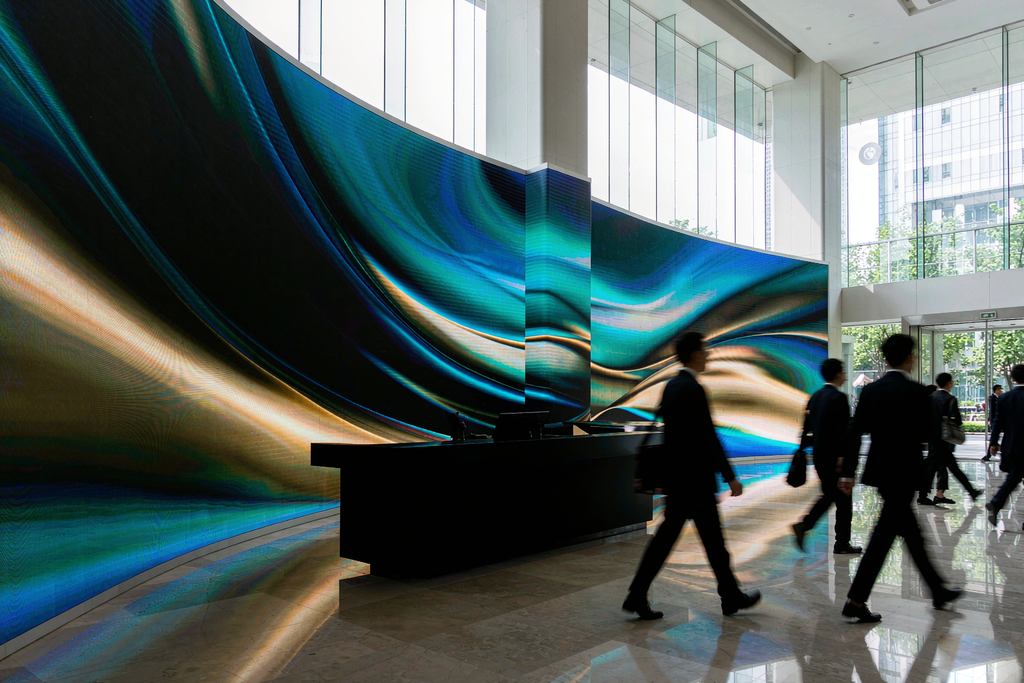
Why LED Screen Wall Technology Is Reshaping the Industry
Across retail stores, concert venues, corporate lobbies, and broadcast studios, a quiet revolution is underway. A led screen wall has become the go-to solution for organizations that need impressive large-format visuals with reliable performance.
The global LED display market has been expanding steadily for years. Industry analysts project continued double-digit growth through 2028, driven by demand in advertising, smart cities, and immersive experiences. As one of the most versatile product categories in this space, led screen wall technology now serves everything from flagship retail installations to stadium-scale event backdrops.
For commercial buyers, installers, and project managers, understanding what makes this technology different is essential before committing to a major investment. Here are 7 reasons why led screen wall solutions are reshaping visual displays in 2026.
1. Superior Image Quality and Color Accuracy
One of the biggest reasons led screen wall installations stand out is the image quality. Modern panels deliver:
- High contrast ratios, often above 5000:1
- Wide color gamut, covering over 110% NTSC
- Refresh rates of 3840Hz or higher
- Brightness levels from 600 to 5000 nits
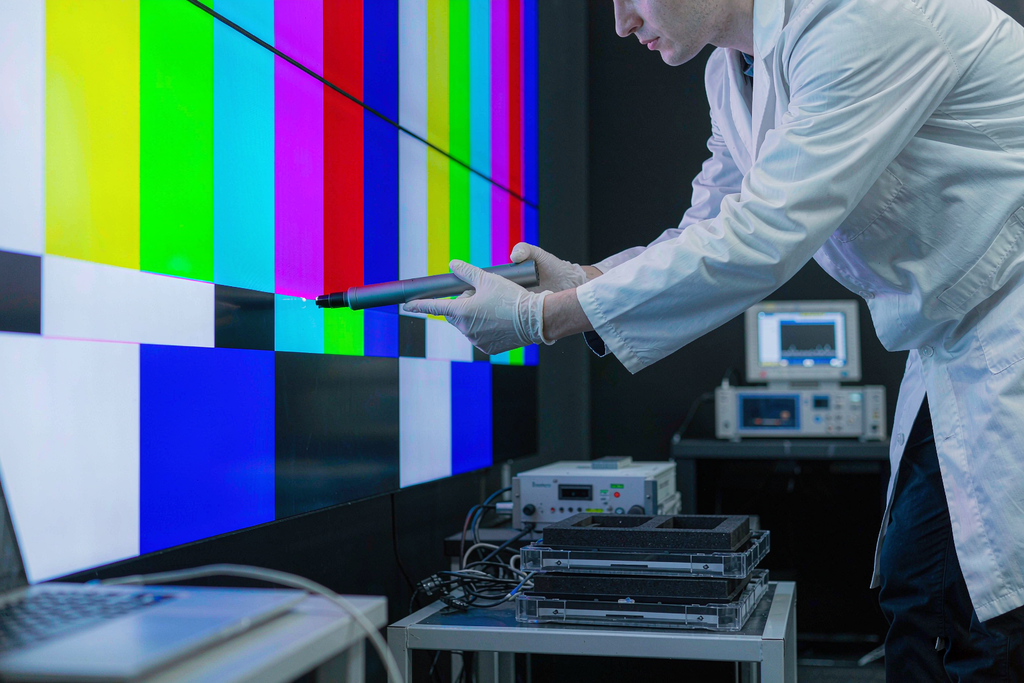
This means content looks sharp, vivid, and consistent, even in bright outdoor environments or under stage lighting. For advertising and broadcasting, color accuracy is non-negotiable. A led screen wall is built to meet that standard, and most manufacturers calibrate each unit before shipping to ensure consistency across the entire installation.
2. Seamless Splicing and Modular Design
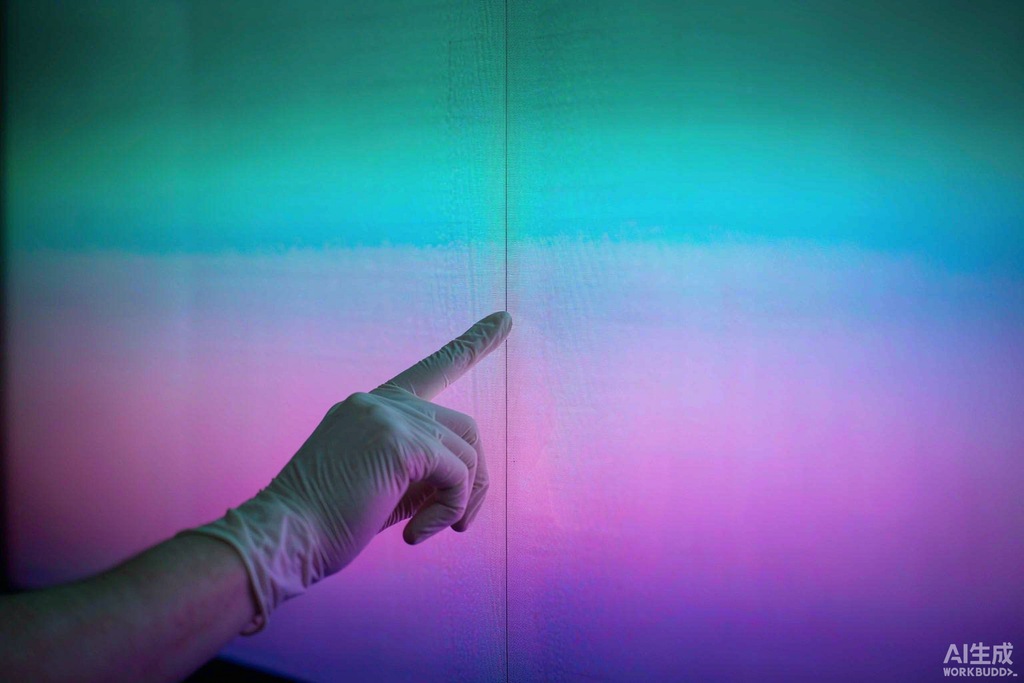
Unlike traditional LCD screens, a led screen wall can be joined together with near-zero gaps. Most modern units achieve a bezel-less splicing of less than 0.5mm, which is a major improvement over older video walls that had visible seams.
This seamless design creates a smooth, immersive viewing experience. The modular structure also makes installation and maintenance easier. If one panel fails, you only need to replace that single unit, not the whole wall. For large-scale projects, this feature alone can save thousands of dollars in service costs over the product lifetime.
3. Flexible Installation Options
Every venue has different requirements. A led screen wall supports multiple installation methods:
- Wall-mounted
- Floor-standing
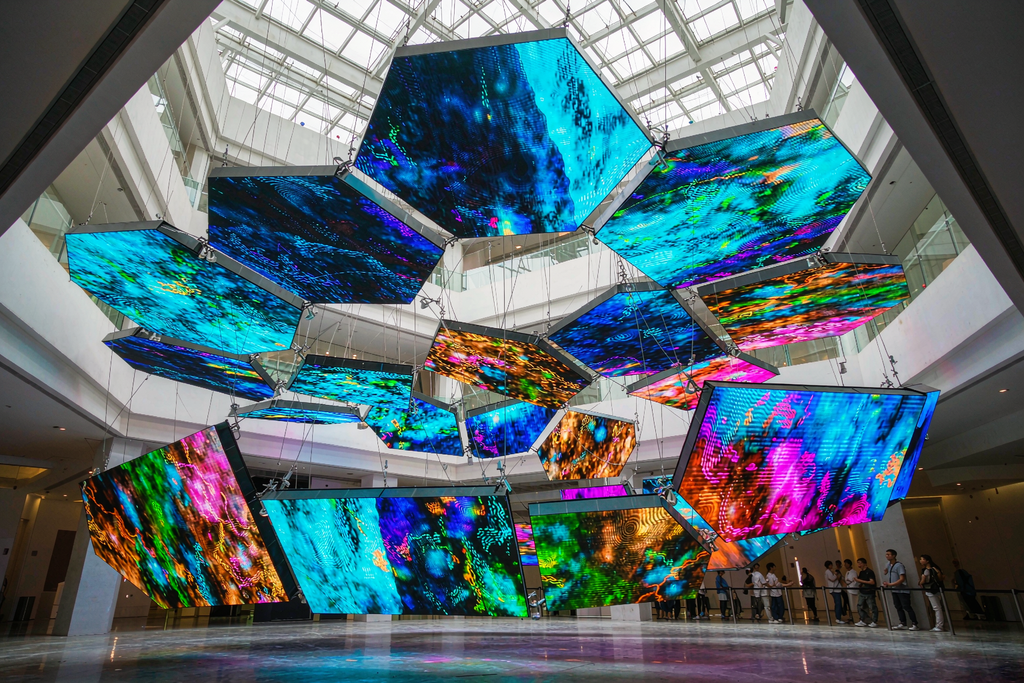
- Hanging or curved setups
- Custom shapes for creative displays
This flexibility makes the technology suitable for control rooms, retail stores, concert stages, and outdoor billboards. Buyers can choose the right setup based on the venue and budget. Curved installations, in particular, have become popular in flagship retail stores and museum exhibitions, where brands want to create a more engaging visual story.
4. Long Lifespan and Low Maintenance
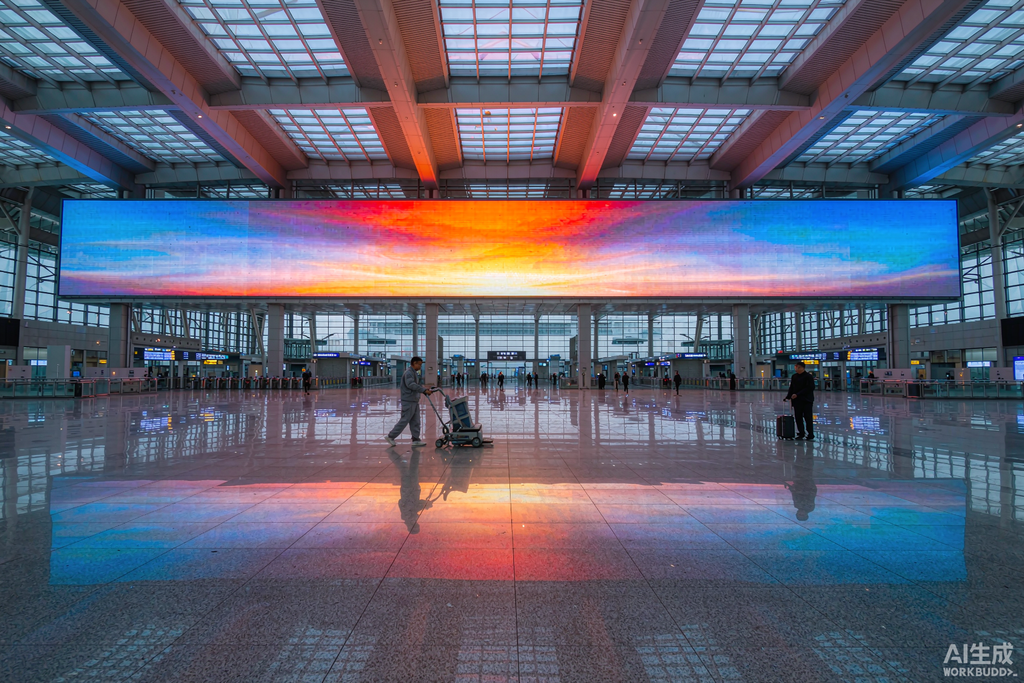
Commercial displays run for long hours, often 24/7. A led screen wall is designed for this level of use.
Most panels have a lifespan of 100,000 hours or more. They also use less power compared to traditional display technologies. With proper heat dissipation and stable components, maintenance costs stay low over the product life cycle. Some premium models even include self-diagnostic features that alert operators before a component fails.
For installations in remote locations or hard-to-access spots, this reliability matters even more than usual.
– **备注**:本节文中「自诊断提前告警」未入画;如需更贴可换运维巡检场景(约 5–10 积分)。
5. Smart Control and Remote Management
Modern led screen wall systems come with intelligent control platforms. Operators can:
- Adjust brightness and color remotely
- Switch content across multiple panels
- Monitor performance in real time
- Diagnose issues before they cause downtime
This smart control saves time, especially for businesses managing displays across multiple locations. A retail chain with stores in different cities, for example, can update all screens from a single dashboard. Cloud-based control platforms have become a standard offering from leading manufacturers, making large-scale display networks much easier to operate.
6. Wide Range of Pixel Pitches
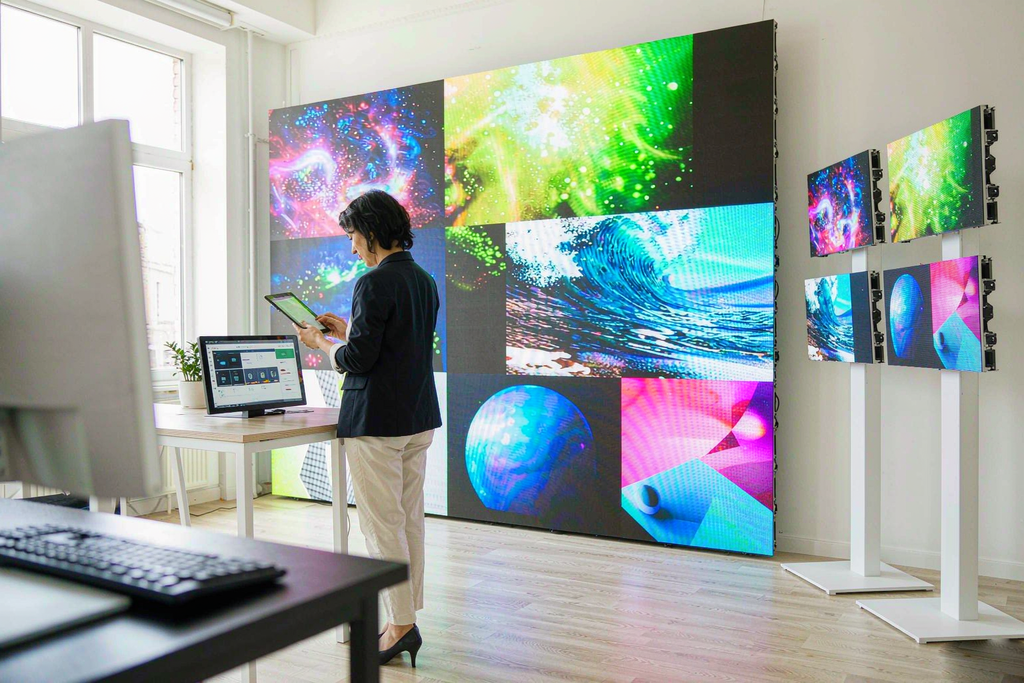
Different viewing distances require different pixel pitches. A led screen wall offers a full range, from P0.9 to P10.
For close-up viewing in conference rooms, smaller pixel pitches like P0.9 or P1.25 deliver sharper images. For outdoor billboards viewed from far away, larger pixel pitches such as P5 or P8 provide better cost efficiency. This range gives buyers the freedom to match panels with their specific use case. It also allows project owners to combine different pixel pitches within the same wall for a layered visual effect.
Some manufacturers also offer transparent and flexible panel variants for creative architectural installations.
7. Strong After-Sales Support and Global Supply Chain
A good product is only half the story. Reliable suppliers of led screen wall technology also provide:
- 2 to 3-year warranties
- Spare parts support
- Online technical guidance
- Local service partners in key regions
For B2B buyers, this kind of support is critical. It reduces risk and ensures projects stay on schedule. Before placing an order, it is wise to check the supplier’s service network in your target market. A strong local presence can make the difference between a smooth rollout and a delayed project.
Many overseas buyers also pay close attention to logistics and customs documentation. A factory with export experience can handle shipping terms (FOB, CIF, DDP), CE/FCC/RoHS certifications, and pre-shipment inspections. These details often go unnoticed at the quotation stage but become critical once a real order is in motion.
Final Thoughts
A led screen wall stands out for image performance, modular design, flexible installation, and reliable long-term support. Whether you are an installer, contractor, or project manager, focusing on these 7 features will help you pick the right product for your next project.
As the display industry continues to evolve, the demand for high-quality LED solutions will only grow. By choosing a proven product line and a trusted supplier, you can deliver projects that meet both performance expectations and budget goals. Take the time to compare specifications, request samples, and verify after-sales commitments before you finalize your decision.
If you want to learn more about LED display technology and its history, you can read the LED display article on Wikipedia.
To explore our full range of led screen wall solutions for commercial and event projects, visit our LED Screen Wall Solutions.