P3 LED Wall Guide: Specs, Applications and Buying Tips
How to Choose a P3 LED Wall for Indoor Venue Projects
A P3 LED wall is a modular indoor display solution for commercial venues that need flexible screen size, clear visual detail and reliable long-term operation. It is commonly used in bars, restaurants, retail stores, churches, stages, event spaces and showrooms where buyers need to compare pixel pitch, viewing distance, cabinet design, installation method and supplier support before ordering.
Quick Answer
A P3 LED wall is most useful when the buyer needs a close-viewing indoor display with modular sizing, clear text, and stable operation in a commercial venue.
Basic Facts
- Primary use: Indoor commercial walls
- Main check: Viewing distance and cabinet plan
- Buyer risk: Judging by price only
- Next step: Confirm size and installation method
Buyer Check
Use this page as a practical project filter. Confirm the real venue, viewing distance, screen size, installation constraints, content type, and service expectations before comparing LED display prices.
Related reading: Buying guide Quality
Quick reference: This page is organized around a specific LED display buying task, practical project checks, and related LEDP3 pages so readers and search systems can understand the page purpose without relying on repeated template wording.
Many users will be confused about the performance differences of various large-screen products and fail to clarify the core competitiveness of LED wall when purchasing display devices. This article comprehensively analyzes the practical value of LED wall from four dimensions including technical parameters, scenario adaptation, application advantages and purchasing skills, helping users quickly grasp the core characteristics of this mainstream display device.
1. Modular Design, 100% Flexible Adaptation to Various Sizes
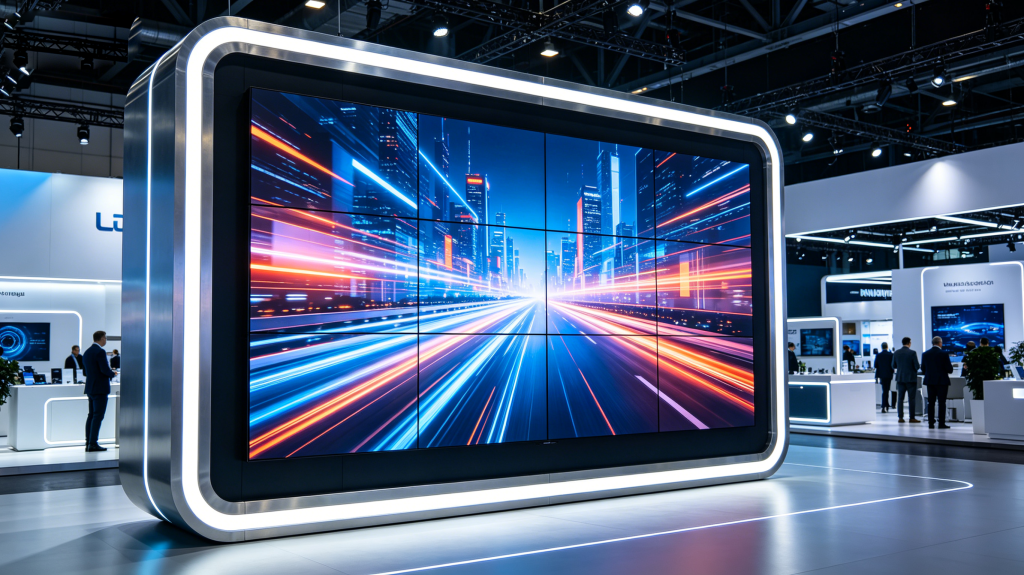
The core structural advantage of modular LED display systems lies in its modular splicing design. The complete equipment is composed of standardized LED panels, power supplies and control systems. Different from traditional integrated large screens with fixed sizes, such display devices can be freely spliced into square, arc, special-shaped and other forms according to site size and modeling requirements. Whether it is a 1-square-meter indoor display screen or a thousands-of-square-meter outdoor giant screen, it can be seamlessly formed through module splicing, with the splicing gap controlled within 0.1mm, presenting a complete and smooth visual effect without obvious splicing traces.
This flexible assembly method makes LED wall far more adaptable than traditional splicing screens. It can accurately fit the site space and achieve customized visual display effects in shopping mall atriums, conference exhibition halls, stage backgrounds, outdoor buildings, stadiums and other scenarios.
2. Premium Image Quality, 3 Times Better Than Traditional Display Devices
Image quality is one of the core highlights of modern modular LED display solutions. Adopting self-luminous imaging technology, each LED lamp bead works as an independent pixel point that can independently control brightness, darkness and color luminance. The device covers up to 110% NTSC color gamut with accurate color restoration and rich picture layers, which can perfectly present high-definition videos, dynamic posters, graphic data and other content.
In terms of brightness performance, indoor LED display screens have a brightness of 800-1200cd/㎡, while outdoor dedicated models can exceed 5000cd/㎡. Even under direct strong outdoor light, the picture remains clear and transparent without reflection or whitening problems. Compared with traditional projection equipment, these modular screens have more than 3 times higher contrast, with no ghosting or blurring in dynamic pictures, delivering a better long-term viewing experience.
3. Extreme Durability with a 50,000-hour Ultra-long Service Life
Stability and service life are key purchasing indicators for commercial display devices. Modern modular LED screens adopt industrial-grade lamp beads and sealed protection technology, featuring excellent waterproof, dustproof and anti-interference capabilities. They can adapt to temperature environments ranging from -20℃ to 60℃, resisting harsh working conditions such as wind, rain, high temperature and low temperature.
The standard service life of conventional modular LED display equipment can reach 50,000 hours. Calculated by 8 hours of daily commercial use, it can operate stably for more than 15 years. Meanwhile, the device supports single-point maintenance. When a single lamp bead or module is damaged, there is no need for overall replacement, only the faulty module needs to be replaced, which greatly reduces the later operation and maintenance costs and offers higher cost performance than traditional large-screen equipment.
4. Ultra-low Energy Consumption, 40% Energy Saving for Commercial Scenarios
Against the trend of green energy conservation, modular LED display equipment has prominent energy-saving advantages. Compared with LCD splicing screens and projection devices of the same size, such screens reduce energy consumption by about 40%. Equipped with an intelligent dimming system, they can automatically adjust brightness according to ambient light, brightening in strong daylight and dimming at night. It ensures excellent display effects while maximizing power consumption savings.
In long-term commercial scenarios, the energy-saving advantage can greatly reduce enterprise operating costs. In addition, the device is radiation-free and flicker-free, complying with environmental protection and health standards for commercial places, and is widely applicable to office buildings, schools, hospitals and other public scenarios.
5. Full-scenario Adaptation, Covering 8 Mainstream Application Fields
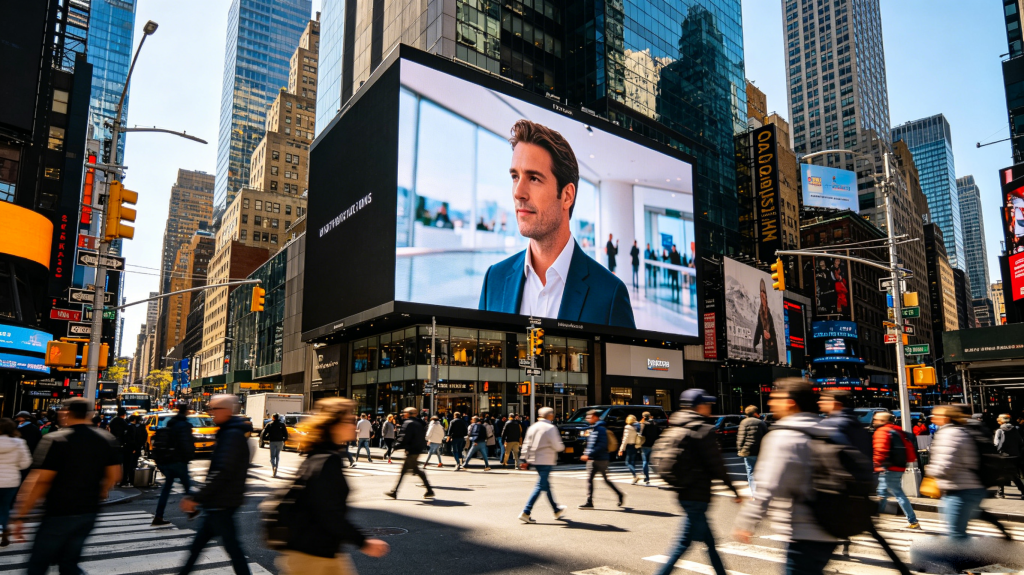
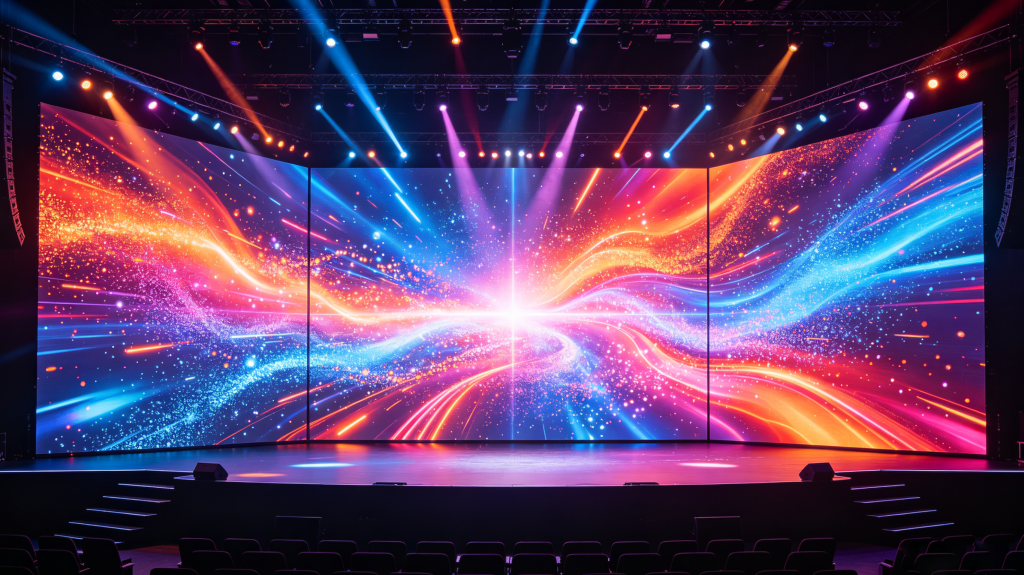
With multiple performance advantages, modular LED display equipment currently covers 8 mainstream application fields with strong scenario implementation capabilities. In the performance industry, such screens are used as the stage background for concerts, galas and press conferences to create immersive dynamic visual effects and enhance the stage atmosphere. In the media industry, outdoor building advertising screens, shopping mall large screens and transportation hub displays all take modular LED display systems as the core device for all-weather high-definition advertising delivery.
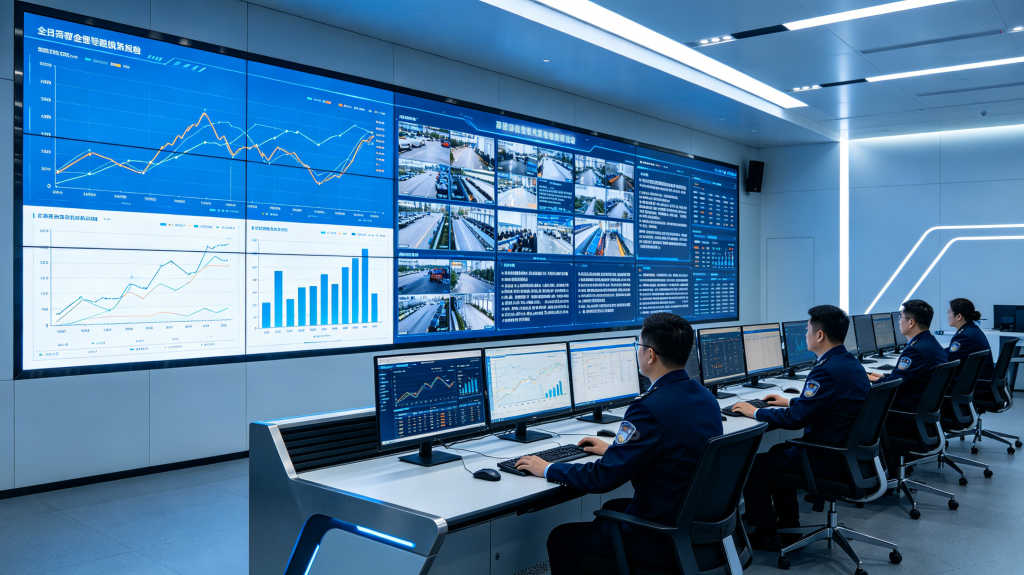
In government and enterprise commercial fields, modular LED display screens are applied in conference rooms, command centers and exhibition halls to display data reports, enterprise publicity content and government information. In people’s livelihood fields, stadiums, supermarkets, campus auditoriums and hospital lobbies rely on such display devices for information publicity, atmosphere creation and real-time live broadcasting, realizing comprehensive and diverse application scenarios.
6. Intelligent Control, One-click Remote Efficient Operation and Maintenance
Modern modular LED display systems are equipped with an intelligent control system, supporting multi-terminal operation via computers, mobile phones and tablets with simple and efficient operation. Staff can switch playback content, adjust brightness and set timed power on/off with one click without on-site manual operation. Meanwhile, the system has a real-time monitoring function, which can automatically detect the operating status of the equipment and accurately locate fault points, greatly improving operation and maintenance efficiency and reducing labor costs.
Multi-device linkage control is also supported, enabling synchronous content playback on multiple display units to meet the unified publicity needs of large shopping malls and chain stores. Its intelligent level fully adapts to modern digital operation modes.
7. Slim and Minimalist Design, Saving 30% Installation Space
Traditional large-screen equipment is bulky, cumbersome to install and occupies a lot of space. The new modular LED display adopts a slim module design with a greatly reduced body thickness, supporting wall-mounted, floor-standing, hoisting and other installation methods. Compared with traditional splicing screens, it saves more than 30% of installation space. Its simple and elegant appearance will not damage the overall decoration style of the site, balancing practicality and decoration.
In addition, the equipment features a simple installation process. The assembly of standardized modules does not require complex techniques, with a short construction cycle and quick put-into-use, adapting to various urgent project implementation needs.
Summary
In summary, with flexible modular design, high-definition image quality, ultra-long service life, energy saving and full-scenario adaptation, LED wall completely breaks the application limitations of traditional display equipment and has become the mainstream choice in the commercial display industry in 2026. Whether for large-scale commercial publicity, professional stage performance, government and enterprise office display, or public information announcement, this professional display device can meet the usage needs of various scenarios with stable performance and high-quality visual effects, serving as a high-quality solution for digital visual display.
To learn more about the parameter selection, installation schemes and scenario adaptation skills of LED wall, you can check the detailed content of Commercial Large Screen Selection Guide on this site. Meanwhile, you can refer to authoritative technical principles and industry standards via HandWiki: Modular LED Video Wall.