Why LED Scrolling Sign Technology Is Taking Over Storefronts
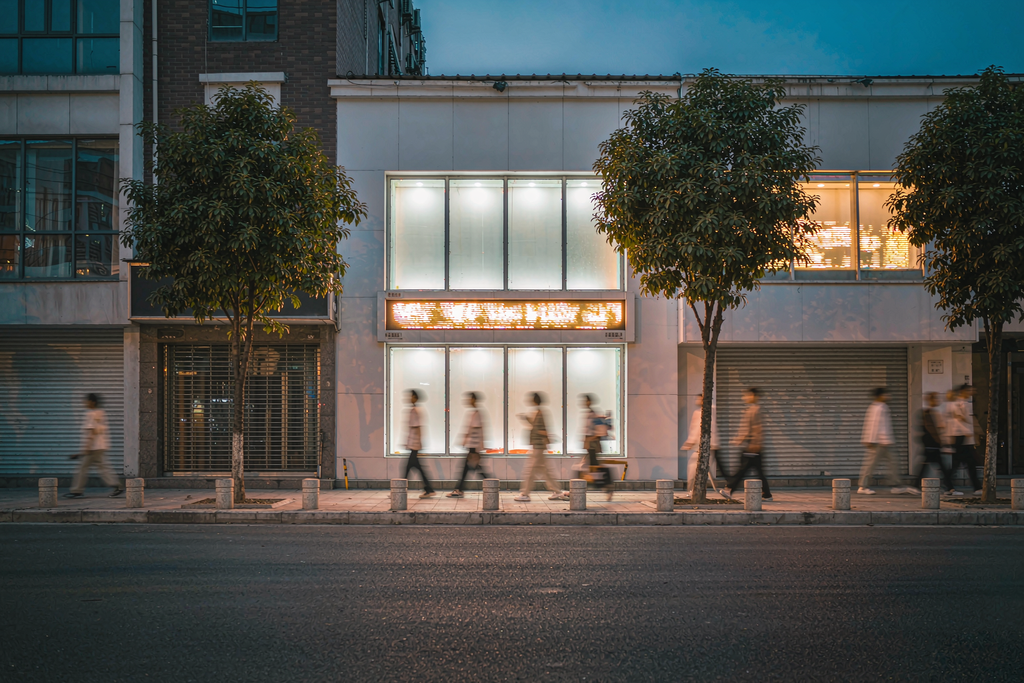
Walk down any main street in 2026 and you will notice the change. Shop windows, bank counters, gas stations, restaurants, and pharmacies have all moved away from printed posters and static signs. A led scrolling sign is now the standard way to display prices, promotions, queue numbers, and announcements.
The reason is simple. A led scrolling sign grabs attention faster than any printed sign. It moves. It changes. It can update content in seconds without anyone touching the display. For a busy street with competing businesses, that visual impact directly translates into more foot traffic, higher sales, and stronger brand recall.
For shop owners, retail managers, and small business operators, choosing the right led scrolling sign technology is a practical decision with measurable returns. Here are 7 reasons why these signs are replacing printed signs as the new standard in 2026.
1. Brightness That Cuts Through Any Lighting Condition
Storefront windows face direct sunlight during the day and artificial lighting at night. A printed sign can look washed out and faded in any of these conditions. Customers walk past without registering the message.
A led scrolling sign delivers brightness levels from 1500 to 5000 nits or more, depending on the model. The image stays vivid and readable even in direct sunlight. At night, brightness can be automatically dimmed to a comfortable level without losing visibility. This dynamic range is something printed signs simply cannot match.
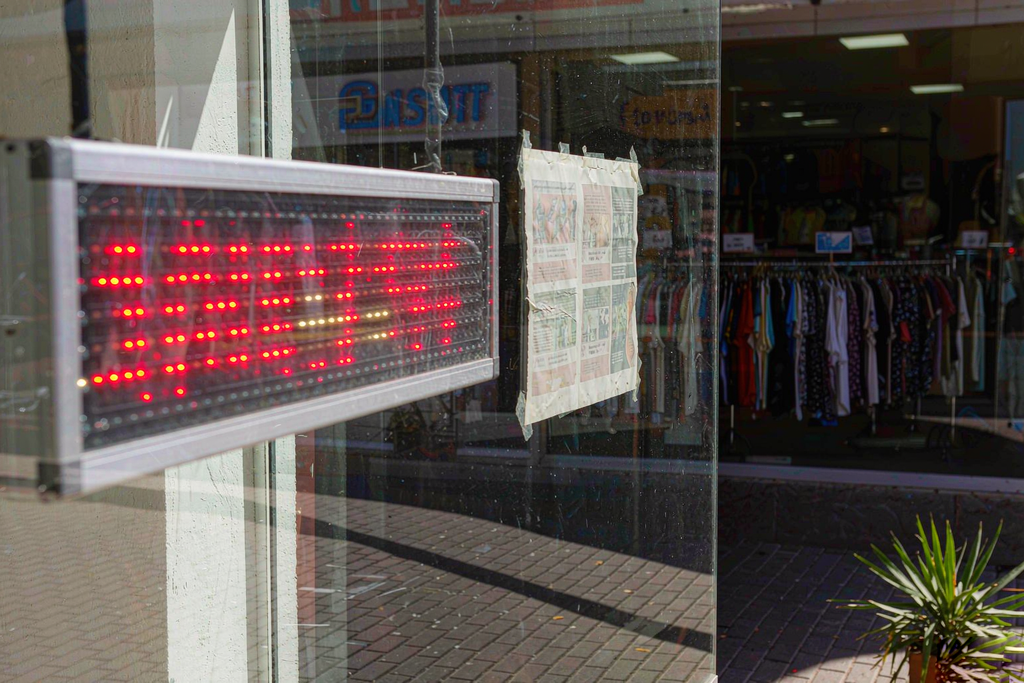
For retail stores on busy streets, this brightness advantage translates directly into more customer attention and more sales.
2. Real-Time Content Updates Without Printing Costs
Traditional printed signs require a trip to the print shop every time something changes. A price adjustment. A new promotion. A holiday message. Each update costs money, takes time, and generates waste.
A led scrolling sign lets you update content in seconds from a computer or mobile phone. New prices, new messages, new graphics, all without printing a single sheet of paper. The savings on printing costs alone can pay for the sign within months.

For businesses that change prices frequently, such as gas stations, currency exchanges, and grocery stores, this flexibility is transformative. The same hardware can run multiple campaigns without any extra production cost.
3. Attention-Grabbing Motion and Animation
The human eye is hardwired to notice movement. A static poster blends into the background after a few seconds. A led scrolling sign keeps the message moving, scrolling, fading, and animating. Customers notice it, read it, and remember it.
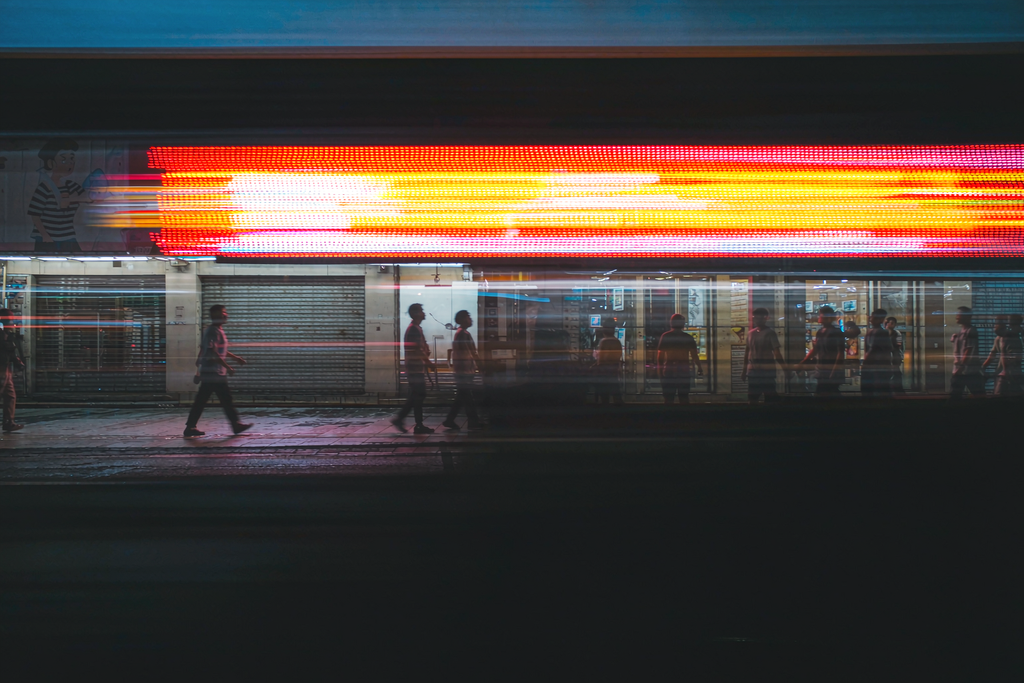
Research on retail signage consistently shows that animated and moving displays outperform static signs in terms of customer recall. A led scrolling sign can scroll text horizontally or vertically, animate logos, flash promotional messages, or rotate between multiple pieces of content. The same sign can run dozens of messages in a single day.
For shop owners trying to stand out in a busy commercial area, this motion advantage is the single biggest reason to switch from printed signs.
4. Wide Range of Sizes and Configurations
Every storefront is different. A small boutique might need a compact 50cm wide message board. A large retail chain might want a 3-meter wide window display. A bank might use a multi-line ticker. A gas station might use a tall vertical price tower.
Led scrolling sign products come in a wide range of sizes, pixel pitches, and form factors. Standard modules can be combined into custom dimensions. Single-color and full-color options are both available. Some signs are designed for indoor use, while others are built for outdoor weather resistance.
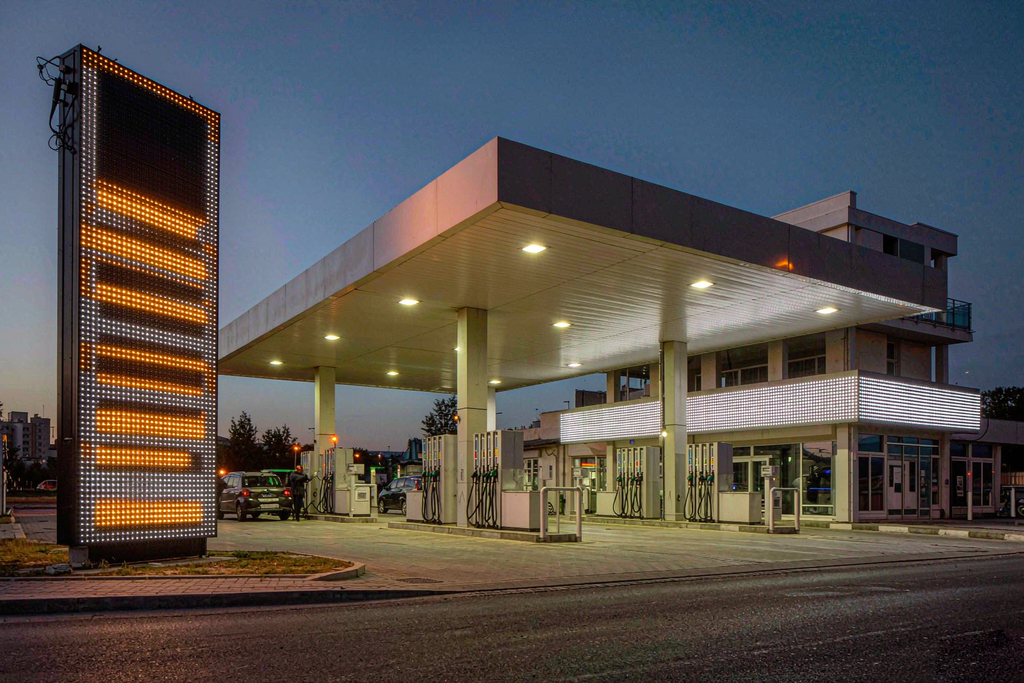
This flexibility means that virtually any business can find a led scrolling sign that fits its specific storefront and budget.
5. Easy Content Management Through Software
Updating a printed sign requires design skills and a print run. Updating a led scrolling sign requires opening an app. Most modern systems come with user-friendly software that lets non-technical staff create and schedule content.
Common features include:
- Pre-built templates for common use cases
- Drag-and-drop scheduling tools
- Support for text, images, animations, and video
- Remote management over WiFi or 4G

For small business owners who do not have a dedicated marketing team, this ease of use removes a major barrier. A led scrolling sign can be updated daily without any external help.
6. Long Lifespan With Minimal Maintenance
A printed sign fades, tears, and needs replacement every few months. A well-built led scrolling sign can run 50,000 to 100,000 hours, which translates to 10+ years of normal daily use. There are no print runs, no ink costs, and no labor for replacing posters.
Maintenance is straightforward. Most issues can be fixed by swapping a single module. The control electronics are solid-state with no moving parts. Power consumption is far lower than many business owners expect, especially with modern energy-efficient designs.
For businesses operating on tight margins, this combination of long lifespan and low maintenance makes the sign a one-time investment that pays back over many years.
7. Strong ROI and Measurable Business Impact
The business case for a led scrolling sign is straightforward. The hardware pays for itself through:
- Reduced printing costs
- More effective promotions leading to higher sales
- Lower labor costs for manual sign updates
- Stronger brand visibility in competitive locations
For a typical retail store, the sign often pays for itself within 6 to 12 months through these combined savings. After the payback period, the sign continues to deliver value with very low ongoing costs.
For multi-location businesses, the ROI scales further. The same content can be pushed to every storefront from a single dashboard, keeping the brand consistent while allowing local customization per store.
Final Thoughts
A led scrolling sign is no longer a luxury reserved for large retail chains. As costs have come down and software has become easier to use, small shops, restaurants, and service businesses are all making the switch. The benefits are clear: better visibility, real-time updates, attention-grabbing motion, flexible sizing, easy management, long lifespan, and a strong return on investment.
When planning an upgrade, take time to evaluate your storefront size, viewing distance, typical content, and budget. Work with a supplier who understands both the technical specifications and the practical demands of running a busy commercial location. The right partner will guide you through pixel pitch selection, brightness requirements, and software setup.
If you want to learn more about the underlying LED display technology, you can read the LED display article on Wikipedia.
To explore our full range of led scrolling sign solutions for storefronts and commercial displays, visit our LED Scrolling Sign Solutions.