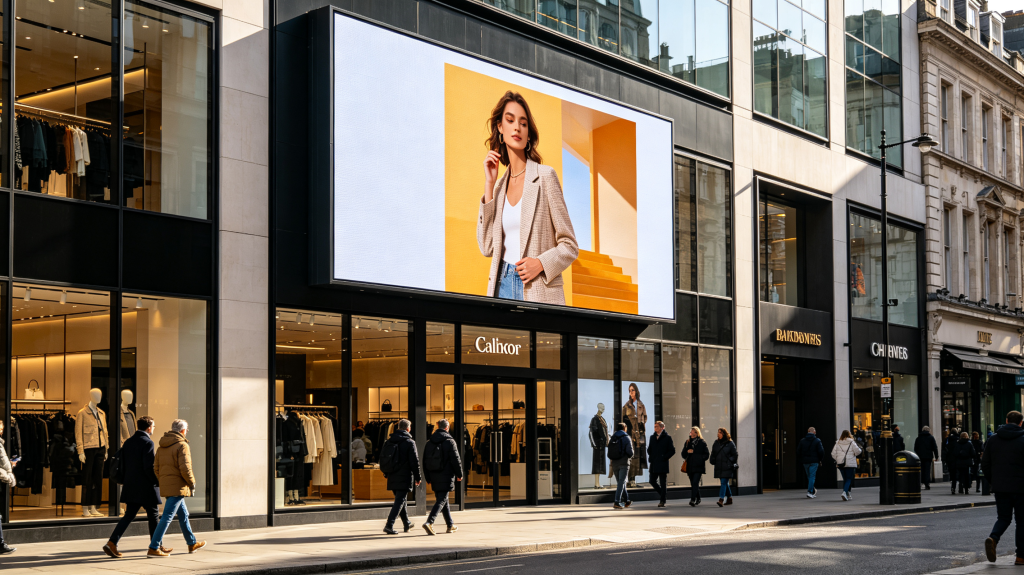
A Practical Guide to Choosing the Right LED Signage for Business
Are you looking for LED signage for business? You are not alone. More businesses are switching to this technology every year. But choosing the right solution can feel overwhelming. This guide makes it simple.
In this article, you will learn 7 key things. These will help you make a smart decision.
What Is LED Signage for Business?
LED signage for business is a display that uses light-emitting diodes. Each sign contains hundreds or thousands of individual LEDs. These work together to create bright, eye-catching content.
Unlike traditional signs, this technology produces its own light. Content stays visible day and night. It also uses less energy than other lighting options.
This signage comes in many forms. You can use it indoors or outdoors. The technology is flexible. You can display images, videos, or text. This makes it perfect for modern business needs.
7 Key Things About LED Signage for Business
1. Pixel Pitch
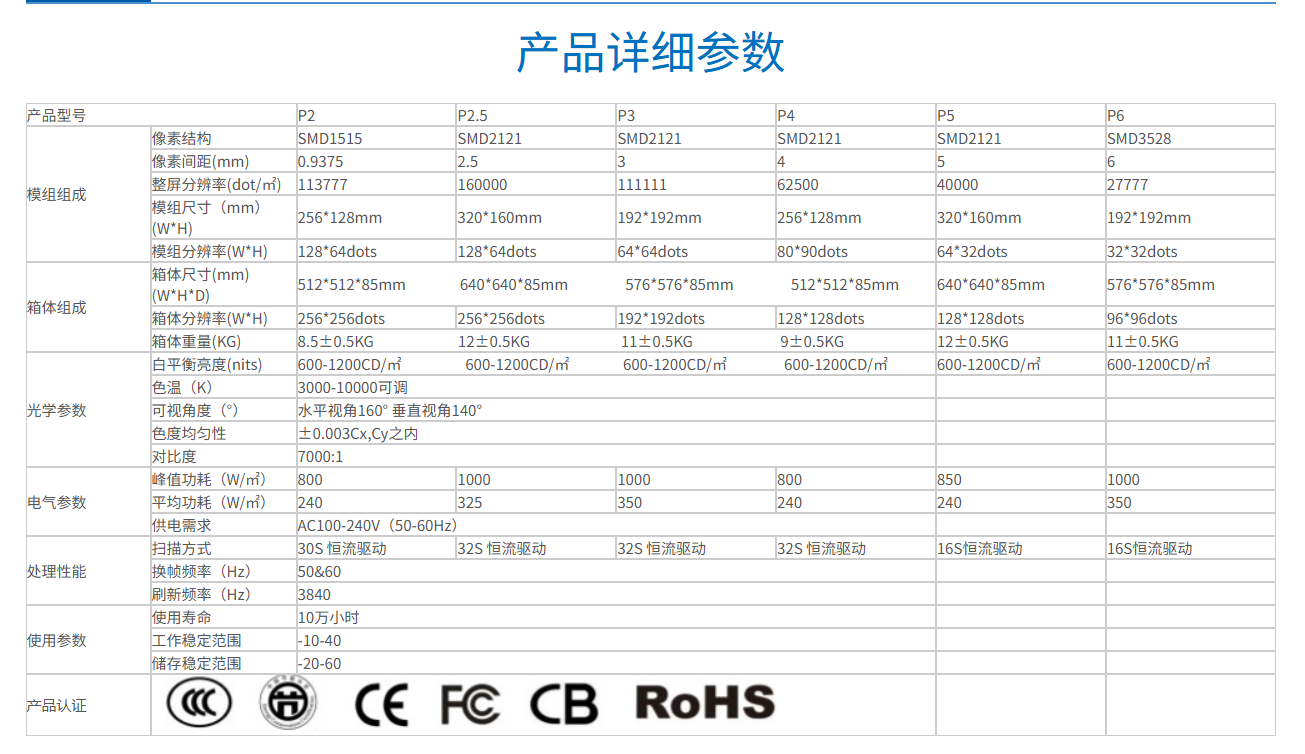
Pixel pitch is the distance between two LED pixels. It is measured in millimeters. A smaller number means a sharper image.
Choose a pixel pitch that matches viewing distance. Closer viewers need a smaller pixel pitch. Distant viewers can use a larger pixel pitch.
Always check this spec first. It is the most important factor for image quality.
2. Brightness
Brightness is measured in nits. A higher nit number means a brighter sign.
For outdoor use, aim for at least 5,000 nits. This ensures visibility in sunlight. For indoor use, 500 to 1,000 nits is enough.
If the sign is too dim, people will not notice it. Brightness matters for advertising.
3. Content Management
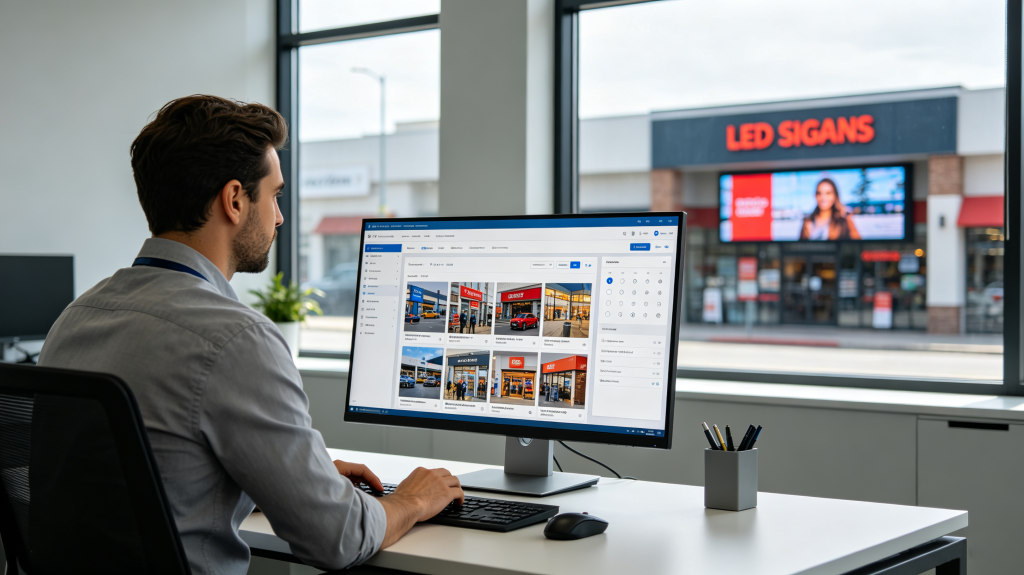
How do you update content? Most systems use cloud-based software.
You can change content from any device. You can schedule content in advance. You can also update multiple locations at once.
Some solutions offer real-time updates. This is great for news, promotions, or social media feeds.
Ask the supplier about their content management system before buying.
4. Size Options
This signage comes in many sizes. You can build small signs or massive walls.
Common sizes range from 1 square meter to over 100 square meters. The size you need depends on your space and budget.
For storefronts, 2 to 5 square meters is common. For stadiums, you may need over 50 square meters.
Measure your space first. Then choose the right size.
5. Indoor vs. Outdoor Use
Indoor and outdoor versions are different products.
Outdoor versions have high IP ratings. They handle rain, dust, and extreme temperatures.
Indoor versions focus on image quality. They do not need weatherproofing. Brightness levels are lower than outdoor models.
Never use indoor signs outdoors. The components will fail quickly.
6. Cost
The display itself is only part of the cost. You also need structure, installation, and content creation.
A basic setup starts at a few thousand dollars. Large commercial installations can cost tens of thousands.
Budget for ongoing costs too. Content creation, maintenance, and electricity add up.
Ask for a complete quote that includes everything. This prevents surprises later.
7. Finding the Right Supplier
The supplier matters as much as the product. Here is what to look for.
Choose a supplier with years of experience. Ask for past project photos. A good supplier will share this openly.
Request a sample before ordering. Test the brightness and color quality. Check the warranty terms.
Good communication is a sign of a reliable supplier. Choose someone who responds quickly.
Where to Use This Technology
This technology works in many industries. Here are the most common applications.
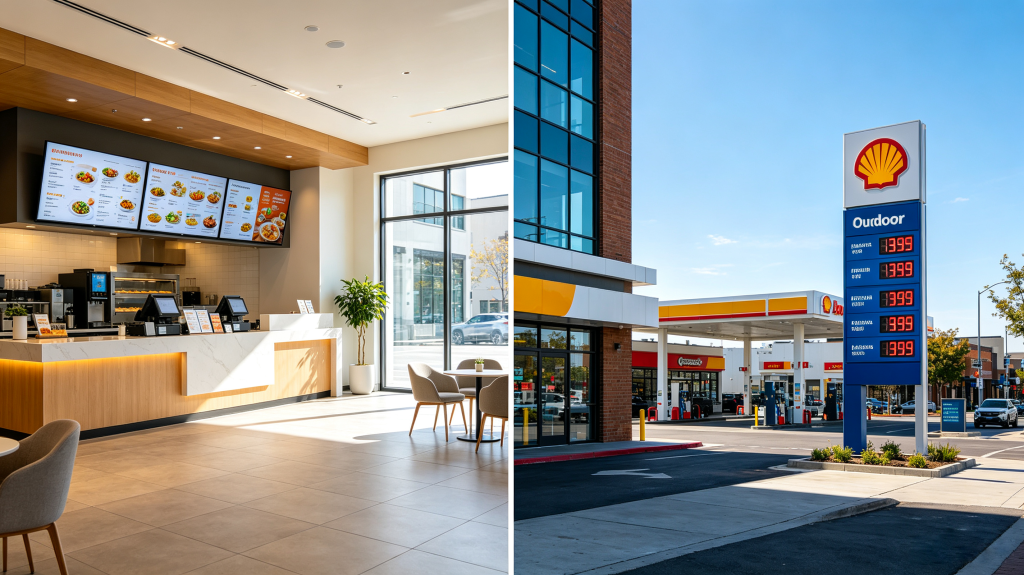
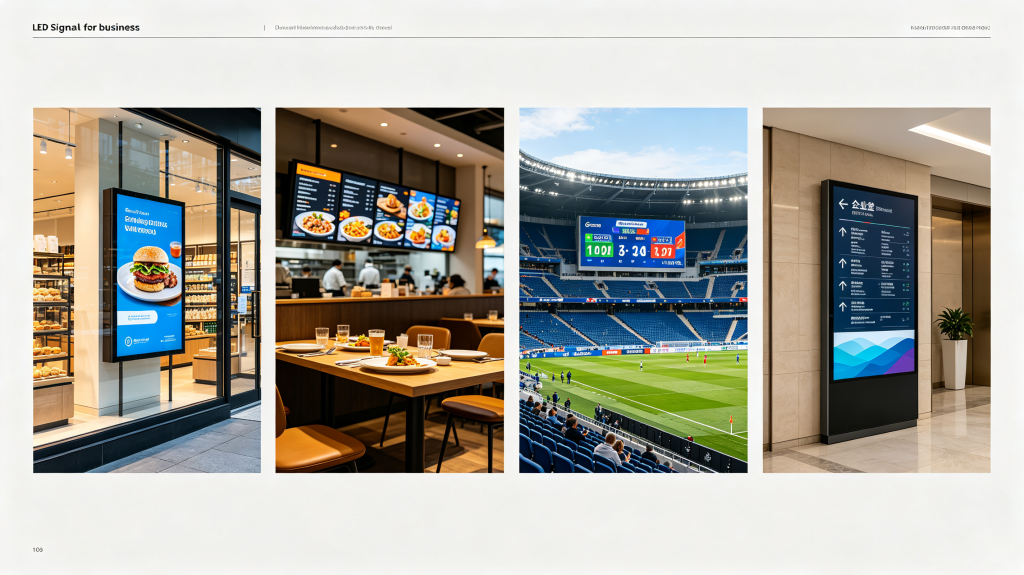
Retail stores use it for window displays. Restaurants use it for menu boards. Gas stations use it for price displays. Corporate offices use it for lobby signage.
Sports venues, airports, and shopping malls all use this technology. Any business that wants to attract attention can benefit.
FAQs
How long does it last?
Quality signage typically lasts 100,000 hours. This is over 10 years with normal use. Most businesses run their signs 12 to 16 hours daily.
Can it save energy?
Yes. This technology uses much less energy than traditional lighting. You can save up to 75% on electricity compared to neon signs.
Is it hard to maintain?
Not really. Outdoor versions need occasional cleaning. Indoor signs need minimal maintenance. Most suppliers offer remote monitoring to catch problems early.
Can I use my own content?
Yes. Most systems accept common formats like images and videos. Some suppliers offer content creation services as well.
Final Thoughts on LED Signage for Business
This technology is a powerful tool. It attracts customers. It boosts brand visibility. It delivers messages effectively.
The technology is more affordable than ever. Installation is easier. Content management is simpler.
Whether you need indoor or outdoor solutions, preparation is key. Know your needs. Know your options. Choose a supplier you can trust.
A well-chosen LED signage for business can transform your business. Take your time. Make an informed decision.
Related Reading:
– [[P3产品页文案]] — Explore our P3 outdoor LED display product specs
– [LED display on Wikipedia]— Learn the technical background of LED display technology