bar P3 LED screen brightness needs a narrow answer because bar LED screen brightness planning requires ambient light, viewing distance, comfort, refresh settings, content type, and acceptance checks The page starts with evidence readers can check, then separates examples from limits.
This LEDP3 article is written for bar owners, AV integrators, and LED technicians planning indoor P3 LED screen settings. It avoids promises and keeps the decision tied to visible facts, practical use, and the next verification step.
For bar P3 LED screen brightness, the useful article sequence is to define the situation, compare the facts table, test one concrete example, and keep the boundary visible before taking action.
Quick Answer
bar P3 LED screen brightness should be handled by checking use case, module size, and compatibility risk first. The useful answer is practical, bounded, and specific to the page.
This checklist supports planning and acceptance; qualified personnel must follow electrical and structural safety rules.
Basic Facts
| Use case | bar owners, AV integrators, and LED technicians planning indoor P3 LED screen settings |
|---|---|
| Module size | Use case |
| Compatibility risk | Module size |
| Power budget | bar LED screen brightness planning requires ambient light, viewing distance, comfort, refresh settings, content type, and acceptance checks |
| Delivery check | Compatibility risk |
| Included boundary | This checklist supports planning and acceptance; qualified personnel must follow electrical and structural safety rules. |
Bar P3 LED screen brightness checklist
Bar P3 LED screen brightness checklist starts with use case before the reader accepts a broad answer for bar P3 LED screen brightness. The visible evidence is P3 LED wall, the practical task is module size, and the boundary stays explicit.
In this bar p3 led screen brightness checklist section, LEDP3 readers should record one concrete observation about P3 LED wall, one example tied to use case, and one reason the advice may not apply.
The page should name what can be checked now and what still needs a fluent speaker, cook, installer, or subject expert. For bar p3 led screen brightness checklist, that distinction protects bar owners, AV integrators, and LED technicians planning indoor P3 LED screen settings from overclaiming.
A final note for bar p3 led screen brightness checklist is simple: keep bar P3 LED screen brightness tied to bar LED screen brightness planning requires ambient light, viewing distance, comfort, refresh settings, content type, and acceptance checks and stop before the guidance becomes a guarantee.
Start bar p3 led screen brightness checklist with the smallest observable detail related to P3 LED wall. The check should fit the page subject instead of borrowing evidence from a different article type.
Then write down the decision that follows from use case. The decision may be to keep a candidate, adjust a step, ask a specialist, or delay action until a better source is available.
The reader also needs a negative example for bar p3 led screen brightness checklist. If the evidence is missing, copied from a different situation, or too general for bar P3 LED screen brightness, it should not drive the decision.
Close bar p3 led screen brightness checklist with a repeatable check around module size. That makes the guidance easier to review and reduces the chance that one attractive example becomes the whole answer.
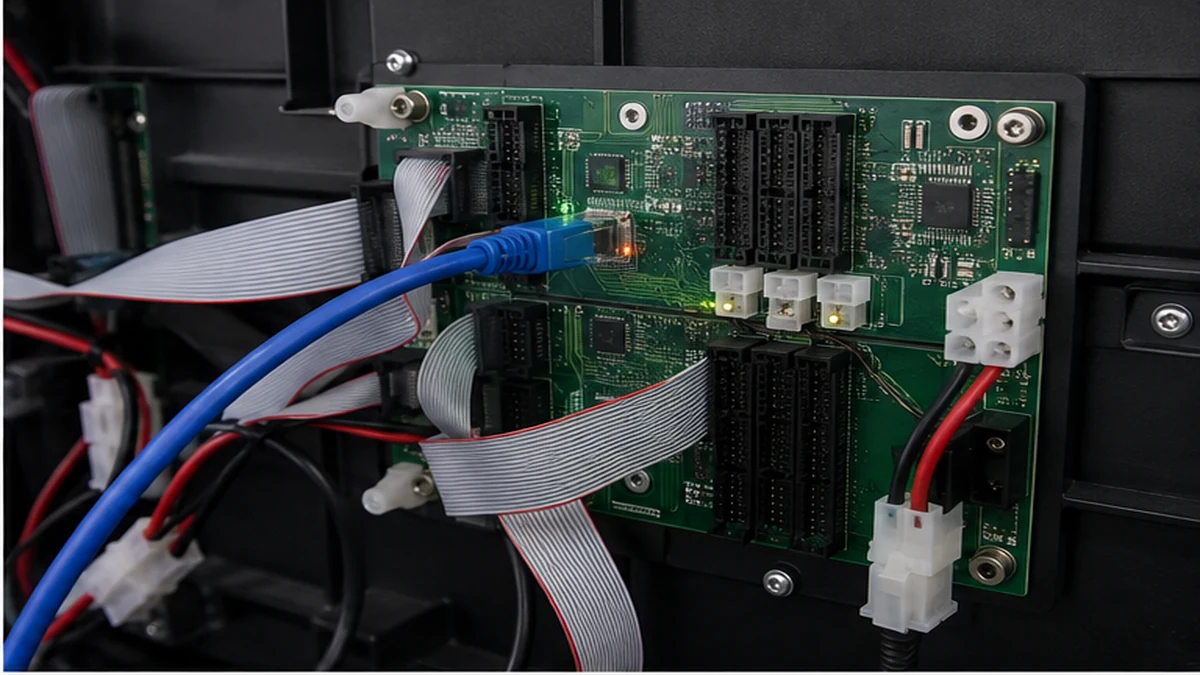
Ambient light, viewing distance, and comfort
Ambient light, viewing distance, and comfort starts with module size before the reader accepts a broad answer for bar P3 LED screen brightness. The visible evidence is lighting meter, the practical task is compatibility risk, and the boundary stays explicit.
In this ambient light, viewing distance, and comfort section, LEDP3 readers should record one concrete observation about lighting meter, one example tied to module size, and one reason the advice may not apply.
The page should name what can be checked now and what still needs a fluent speaker, cook, installer, or subject expert. For ambient light, viewing distance, and comfort, that distinction protects bar owners, AV integrators, and LED technicians planning indoor P3 LED screen settings from overclaiming.
A final note for ambient light, viewing distance, and comfort is simple: keep bar P3 LED screen brightness tied to bar LED screen brightness planning requires ambient light, viewing distance, comfort, refresh settings, content type, and acceptance checks and stop before the guidance becomes a guarantee.
Start ambient light, viewing distance, and comfort with the smallest observable detail related to lighting meter. The check should fit the page subject instead of borrowing evidence from a different article type.
Then write down the decision that follows from module size. The decision may be to keep a candidate, adjust a step, ask a specialist, or delay action until a better source is available.
The reader also needs a negative example for ambient light, viewing distance, and comfort. If the evidence is missing, copied from a different situation, or too general for bar P3 LED screen brightness, it should not drive the decision.
Close ambient light, viewing distance, and comfort with a repeatable check around compatibility risk. That makes the guidance easier to review and reduces the chance that one attractive example becomes the whole answer.
Refresh, content, and control-room settings
Refresh, content, and control-room settings starts with compatibility risk before the reader accepts a broad answer for bar P3 LED screen brightness. The visible evidence is control desk, the practical task is power budget, and the boundary stays explicit.
In this refresh, content, and control-room settings section, LEDP3 readers should record one concrete observation about control desk, one example tied to compatibility risk, and one reason the advice may not apply.
The page should name what can be checked now and what still needs a fluent speaker, cook, installer, or subject expert. For refresh, content, and control-room settings, that distinction protects bar owners, AV integrators, and LED technicians planning indoor P3 LED screen settings from overclaiming.
A final note for refresh, content, and control-room settings is simple: keep bar P3 LED screen brightness tied to bar LED screen brightness planning requires ambient light, viewing distance, comfort, refresh settings, content type, and acceptance checks and stop before the guidance becomes a guarantee.
Start refresh, content, and control-room settings with the smallest observable detail related to control desk. The check should fit the page subject instead of borrowing evidence from a different article type.
Then write down the decision that follows from compatibility risk. The decision may be to keep a candidate, adjust a step, ask a specialist, or delay action until a better source is available.
The reader also needs a negative example for refresh, content, and control-room settings. If the evidence is missing, copied from a different situation, or too general for bar P3 LED screen brightness, it should not drive the decision.
Close refresh, content, and control-room settings with a repeatable check around power budget. That makes the guidance easier to review and reduces the chance that one attractive example becomes the whole answer.
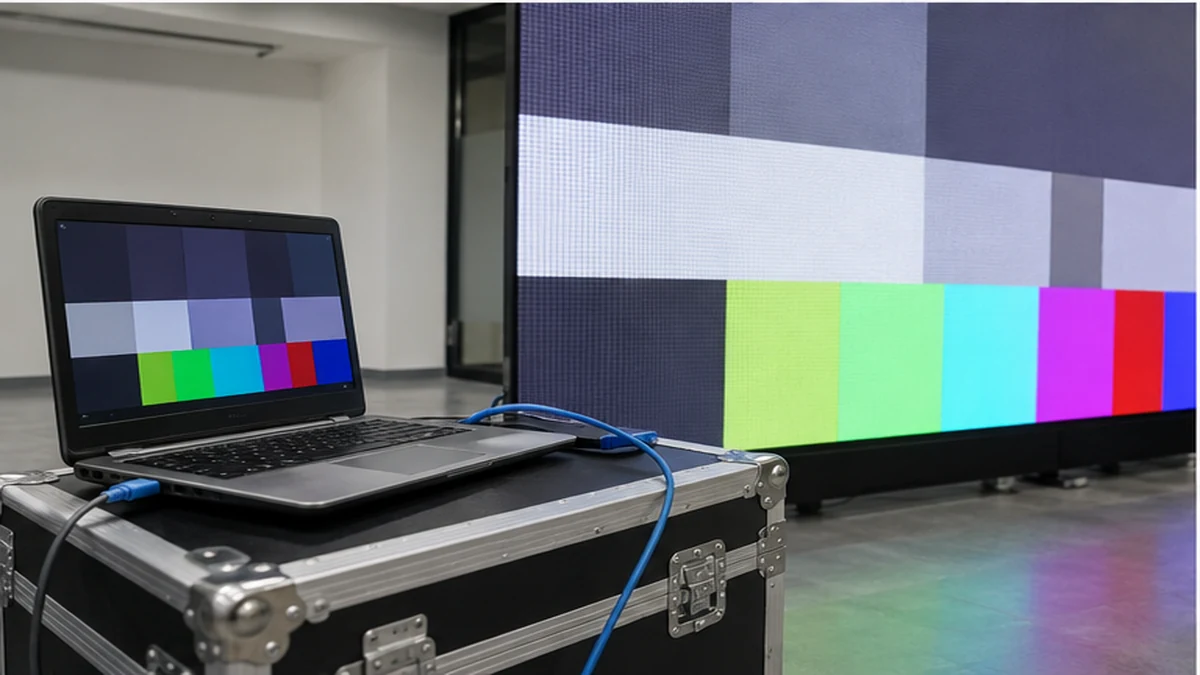
Acceptance record and safety boundaries
Acceptance record and safety boundaries starts with power budget before the reader accepts a broad answer for bar P3 LED screen brightness. The visible evidence is P3 LED wall, the practical task is delivery check, and the boundary stays explicit.
In this acceptance record and safety boundaries section, LEDP3 readers should record one concrete observation about P3 LED wall, one example tied to power budget, and one reason the advice may not apply.
The page should name what can be checked now and what still needs a fluent speaker, cook, installer, or subject expert. For acceptance record and safety boundaries, that distinction protects bar owners, AV integrators, and LED technicians planning indoor P3 LED screen settings from overclaiming.
A final note for acceptance record and safety boundaries is simple: keep bar P3 LED screen brightness tied to bar LED screen brightness planning requires ambient light, viewing distance, comfort, refresh settings, content type, and acceptance checks and stop before the guidance becomes a guarantee.
Start acceptance record and safety boundaries with the smallest observable detail related to P3 LED wall. The check should fit the page subject instead of borrowing evidence from a different article type.
Then write down the decision that follows from power budget. The decision may be to keep a candidate, adjust a step, ask a specialist, or delay action until a better source is available.
The reader also needs a negative example for acceptance record and safety boundaries. If the evidence is missing, copied from a different situation, or too general for bar P3 LED screen brightness, it should not drive the decision.
Close acceptance record and safety boundaries with a repeatable check around delivery check. That makes the guidance easier to review and reduces the chance that one attractive example becomes the whole answer.
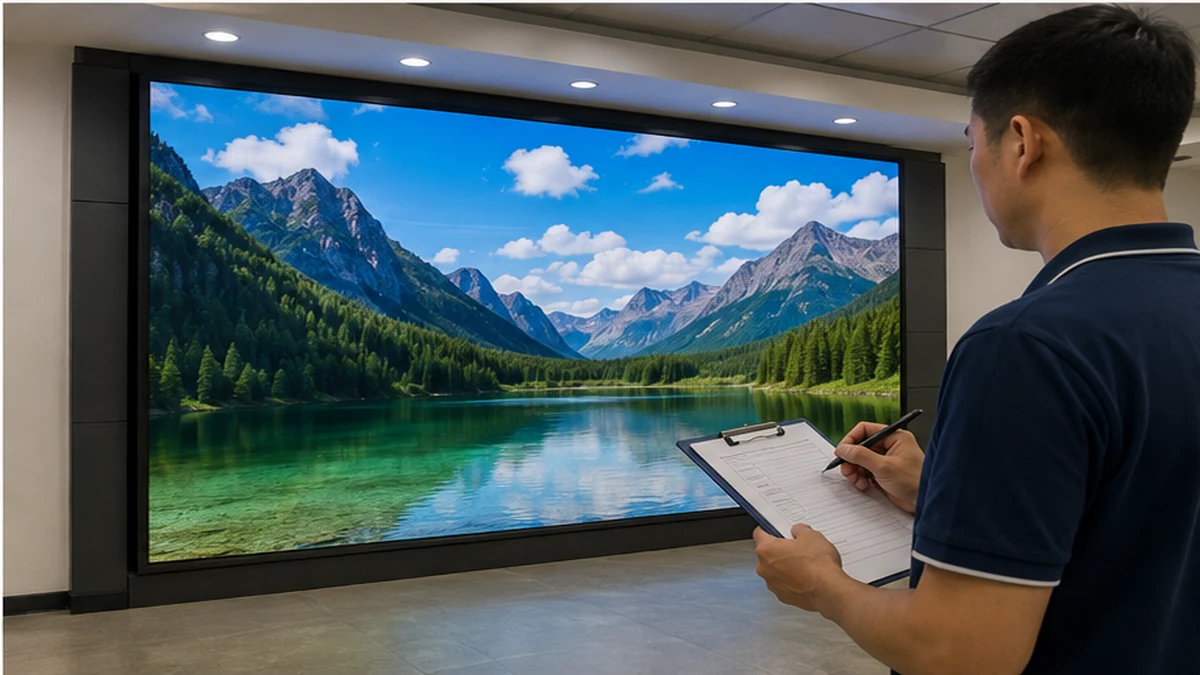
A separate LEDP3 review note should compare P3 LED wall, lighting meter, control desk, the reader's real setting, and the stated boundary before the advice is reused. This keeps the page grounded in observable details and gives another reviewer enough context to repeat the check without turning one example into a universal rule.
Quick reference
Quick reference for bar P3 LED screen brightness: define the situation, check use case, compare module size, record the boundary, and choose one safe next step.
Frequently Asked Questions
What does bar P3 LED screen brightness mean for this page?
It means the article answers the exact reader task through use case, module size, examples, and a visible boundary.
Which evidence should readers check first for bar P3 LED screen brightness?
Start with use case and module size, then compare the example with the real situation.
Can bar P3 LED screen brightness promise a final outcome?
No. This checklist supports planning and acceptance; qualified personnel must follow electrical and structural safety rules.
What should happen before acting on bar P3 LED screen brightness?
Check the story image, compare the example sentence with the real situation, and keep the idiom inside its learning boundary.