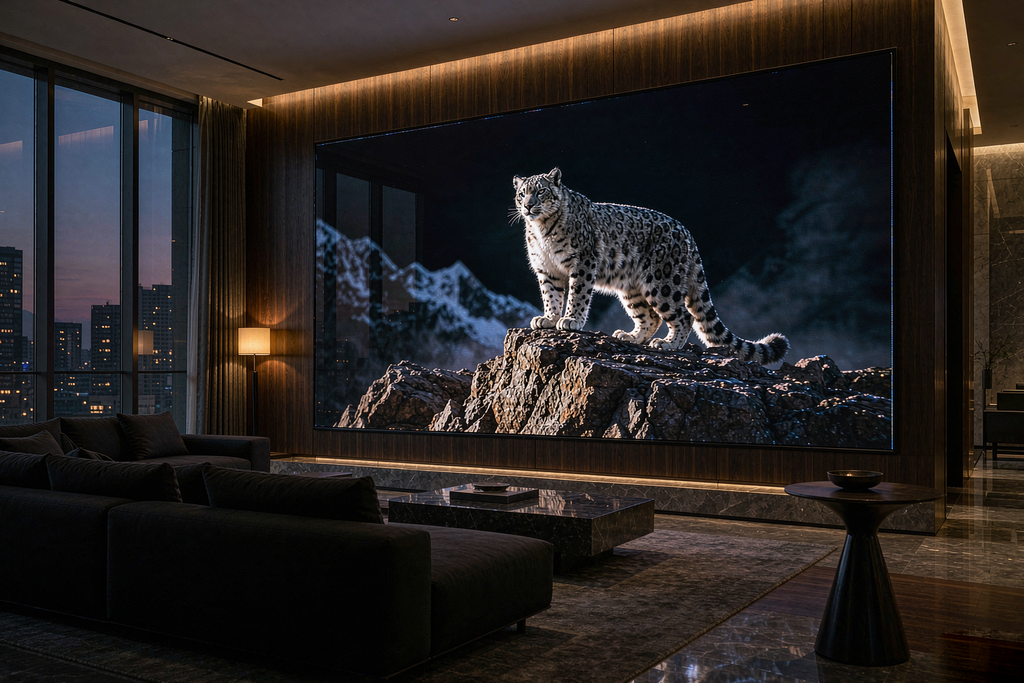
Why Micro LED Display Is the Next Big Leap in Screen Technology
For decades, LCD and OLED have been the dominant display technologies. In 2026, a new contender is rapidly gaining ground. A micro led display uses microscopic LEDs as individual pixels, replacing the backlight and color filters used in older screens.
This shift is significant. A micro led display delivers brighter images, longer lifespans, and lower power consumption than the alternatives. Major electronics brands, including Samsung, LG, Sony, and TCL, have already launched commercial products. Apple’s long-rumored microled roadmap also points to wider adoption in the coming years.
For both commercial buyers and home users, understanding what makes this technology different is essential before making the next upgrade. Here are 7 key benefits that explain why micro led display technology is gaining momentum in 2026.
1. Superior Brightness That Outperforms OLED
OLED screens are known for deep blacks and excellent contrast. However, they have one major weakness: limited peak brightness. In bright rooms or outdoor settings, OLED images can look dim and washed out.
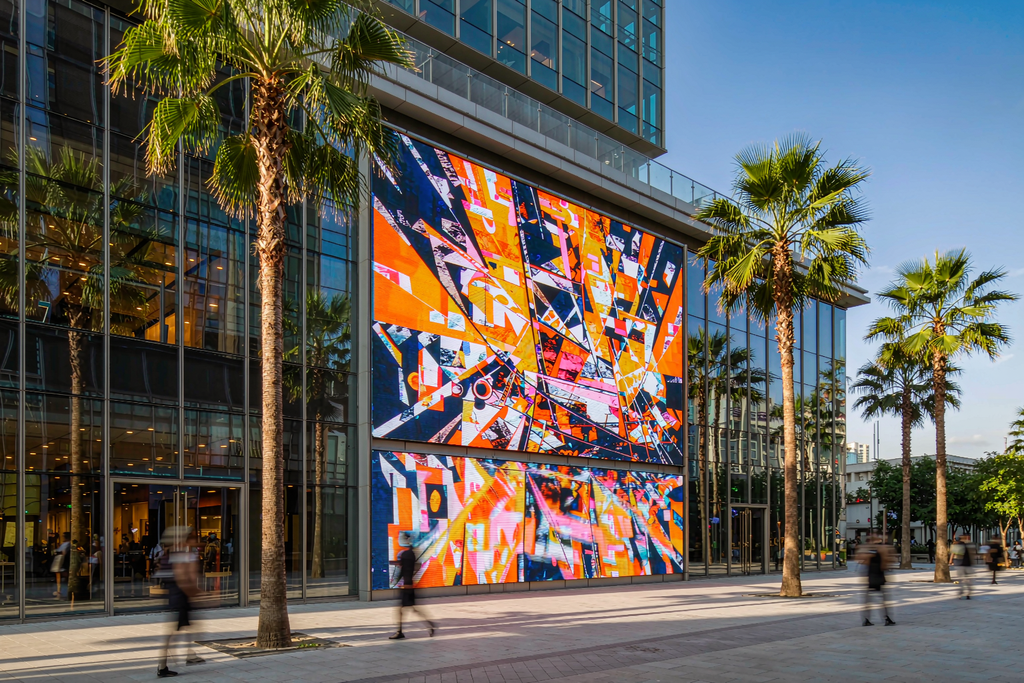
A micro led display can reach peak brightness levels above 5000 nits, several times higher than typical OLED panels. This makes the technology ideal for environments with strong ambient light, such as retail stores, airports, control rooms, and outdoor signage. Even direct sunlight does not significantly degrade the image.
This brightness advantage comes from the inherent efficiency of inorganic LEDs. Each pixel produces its own light without relying on a separate backlight layer. For outdoor advertisers, this means campaigns stay visible throughout the day, even in direct afternoon sun. For airport and transit signage, the same hardware works across day and night without manual brightness adjustment.
2. Longer Lifespan With No Burn-In Risk
OLED screens suffer from a well-known issue: burn-in. Static images, such as news tickers, logos, or game HUDs, can leave permanent marks on the panel over time. For commercial users running 24/7 signage, this is a serious concern.
Micro led display panels use inorganic materials, which are far more stable than the organic compounds in OLED. The result is a panel rated for 100,000 hours of use, with virtually no burn-in risk. Static content can run continuously without damaging the screen.
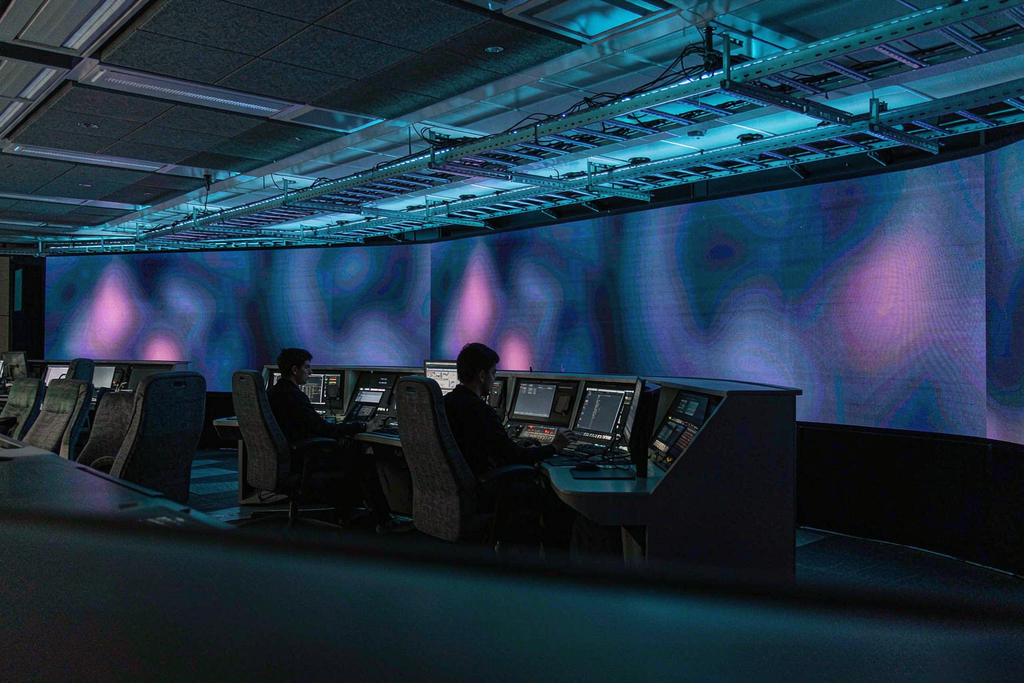
For digital signage, broadcast studios, and control rooms, this reliability translates into lower maintenance costs and longer replacement cycles. The panels also keep their color accuracy over many years, even under heavy daily use.
3. Higher Energy Efficiency Than LCD and OLED
Power consumption is becoming a bigger factor in display purchasing decisions. Energy costs are rising, and sustainability goals are pushing companies to choose greener technology.
A micro led display is significantly more energy efficient than LCD screens. There is no backlight to power, and each pixel only draws energy when it is lit. Independent tests show that these panels can use 30 to 50 percent less power than equivalent LCD screens at the same brightness level.
Over the lifetime of a commercial installation, this efficiency adds up to substantial savings on electricity bills. It also reduces heat output, which lowers cooling costs in indoor environments and extends the life of nearby equipment.
4. Modular Design for Any Size or Shape
Unlike traditional TVs or monitors, a micro led display is built from small modular tiles. Each tile is a self-contained unit with its own pixels and electronics. These tiles can be combined to create displays of virtually any size or aspect ratio.
Want a 100-inch screen for your living room? Easy. Need a 500-inch video wall for a stadium? Also possible. Want a curved display for a flagship retail store? The modular design makes it straightforward. The same building blocks can be assembled into flat, curved, or even wraparound configurations.
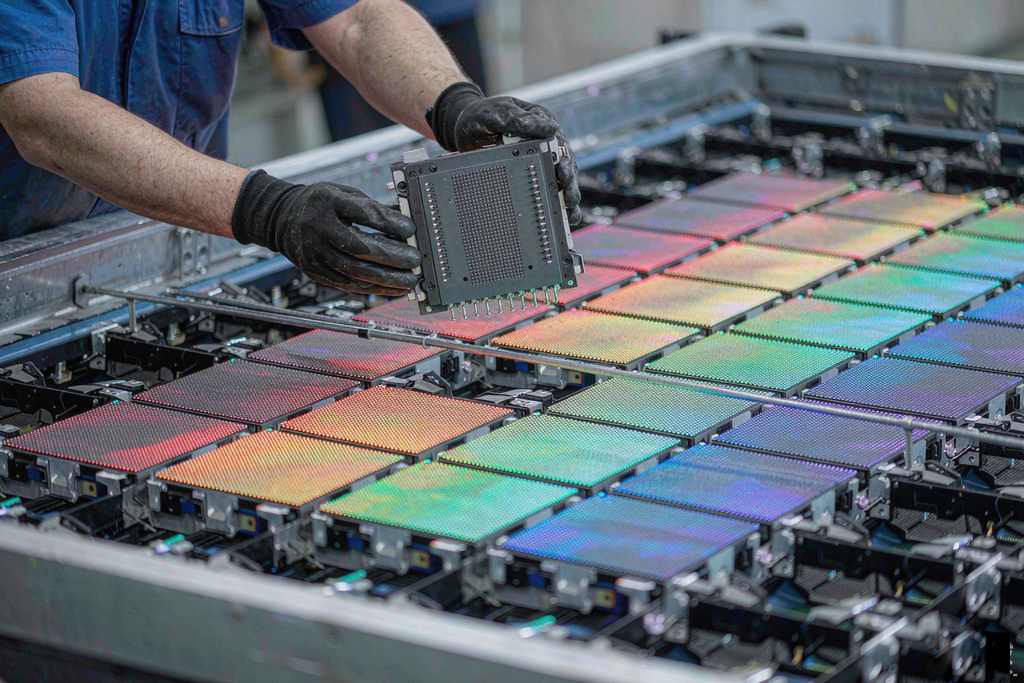
This flexibility is why the technology is becoming popular for both premium home installations and large-scale commercial projects. It scales from a small monitor to a building-sized video wall.
5. Wider Color Gamut and Better Color Accuracy
Color performance is critical for professional applications. Film studios, photographers, medical imaging specialists, and product designers all need displays that show colors accurately.
A micro led display can cover more than 110 percent of the BT.2020 color space, the standard used in 4K and 8K content. Color accuracy remains consistent even at high brightness levels, which is something OLED struggles to achieve.
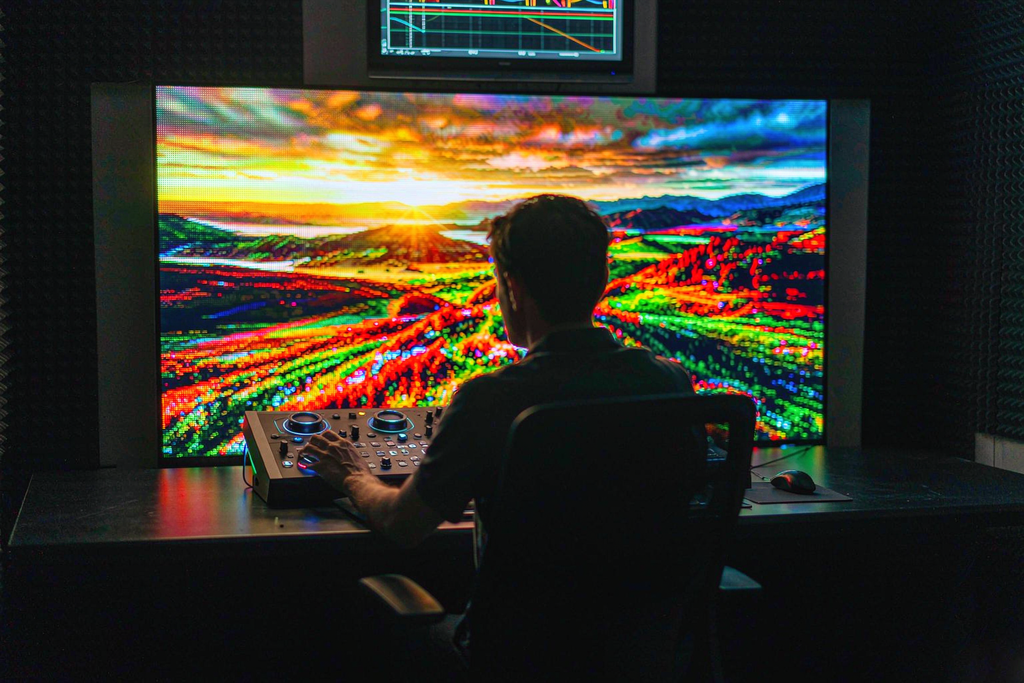
For broadcast and post-production work, this level of color fidelity reduces the need for constant color calibration. For home users, it means movies and games look closer to what the creators intended. Medical imaging is another area where this matters: doctors can read subtle color differences in scans and X-rays more reliably, which can directly affect diagnostic accuracy.
6. Faster Response Times for Gaming and VR
Gamers and virtual reality users care about one thing above all: response time. Slow pixels cause motion blur, ghosting, and input lag. These problems break immersion and affect competitive performance.
Micro led display panels have pixel response times measured in nanoseconds. This is orders of magnitude faster than LCD and noticeably faster than OLED. Fast-moving images stay crisp, and input lag is virtually eliminated.
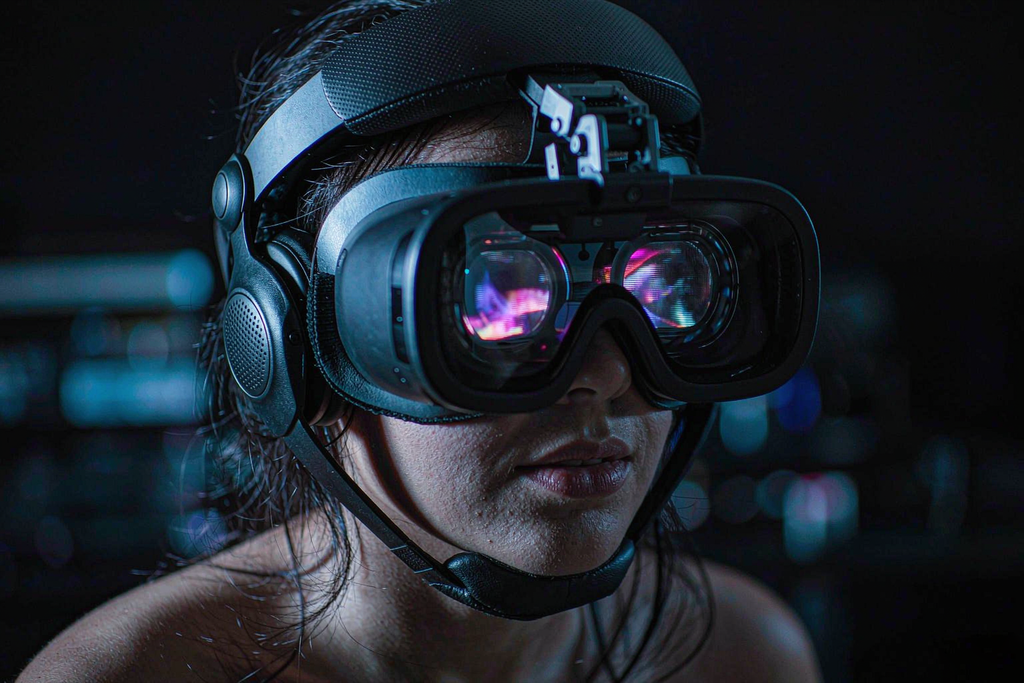
For VR headsets, these panels offer another advantage: high pixel density in a small form factor. This enables sharper images without the screen-door effect that plagues current VR displays. As VR hardware evolves, this technology is likely to play a key role.
7. Strong Industry Momentum and Falling Prices
For years, micro led display technology was too expensive for most buyers. A single 4K panel could cost over $100,000. That has changed dramatically.
Mass production techniques have improved. Yields are higher. Competition among Samsung, LG, Sony, and Chinese brands has pushed prices down. Industry analysts expect prices to drop by 30 to 50 percent over the next two years.
This price trajectory matters. As costs come down, the technology will move from flagship products to mainstream consumer electronics. Within a few years, mid-size panels for home use are likely to fall into the same price range as high-end OLED TVs. Several display makers have already announced sub-$10,000 4K models for 2026, which marks an important psychological price threshold for early adopters and prosumers.
Final Thoughts
A micro led display is no longer a laboratory concept. It is a real, shipping technology that is changing how businesses and consumers think about visual displays. The benefits are clear: better brightness, longer lifespan, higher efficiency, modular flexibility, accurate colors, fast response, and falling prices.
For commercial buyers, the technology is already mature enough for signage, broadcast, and control room installations. For home users, premium models are available today, with broader consumer options expected as prices decline.
If you are planning a major display upgrade, it is worth evaluating how this technology fits into your long-term strategy. Work with a supplier who understands both the technical requirements and the rapidly evolving product landscape. The right partner will help you choose the right pixel pitch, panel size, and configuration for your specific use case.
If you want to learn more about the underlying LED display technology, you can read the LED display article on Wikipedia.
To explore our full range of micro LED solutions for commercial and residential projects, visit our Micro LED Solutions.