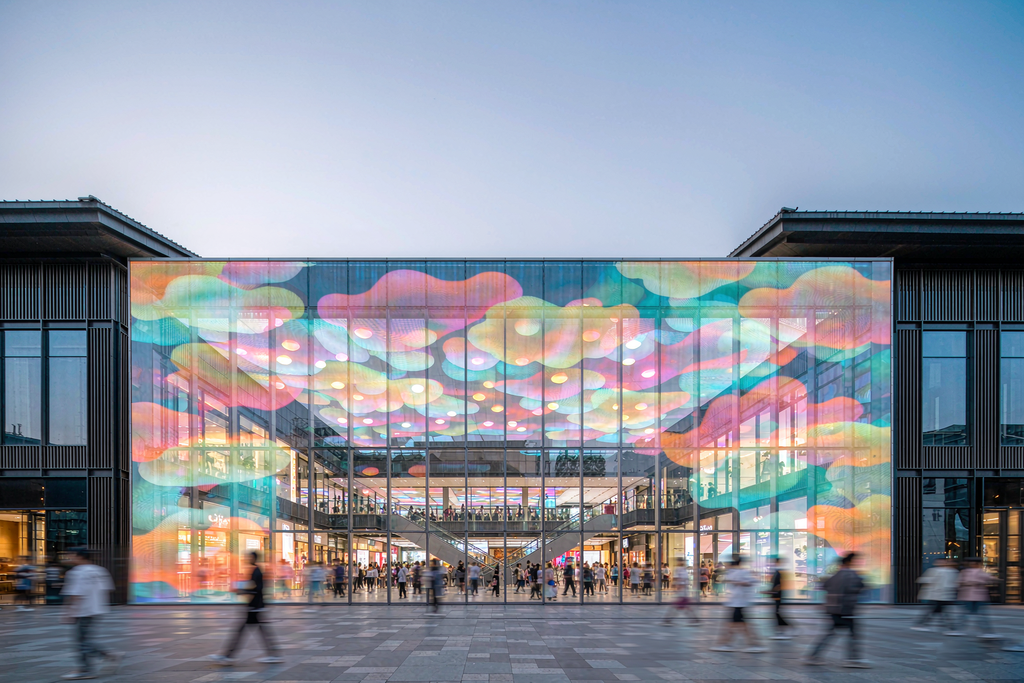
Why Flexible Transparent LED Screen Technology Is Gaining Ground
Walk through any modern shopping mall, glass-walled office tower, or flagship retail store in 2026 and you will see a new kind of display. A flexible transparent led screen is no longer a science project. It is a commercial product reshaping how brands present content on glass surfaces.
Unlike traditional LED walls, a flexible transparent led screen allows up to 90 percent of light to pass through. The display content floats in mid-air against the backdrop of the store, the city skyline, or the architectural space behind it. The visual effect is striking and immediately different from any printed poster or LCD monitor.
For architects, retail designers, and brand marketers, this technology opens up possibilities that were simply impossible with older display formats. Here are 7 reasons why flexible transparent led screen installations are accelerating in 2026.
1. See-Through Design That Preserves Natural Light
Traditional LED panels block light completely. Once you install a video wall, the space behind it disappears. For glass-fronted stores and offices, this creates a problem. Store owners do not want to lose the natural light coming through their windows.
A flexible transparent led screen solves this problem elegantly. With pixel pitches from P2.6 to P10 and light transmission rates of 70 to 90 percent, the screen acts like a digital curtain. Light passes through. Visibility is preserved. The store still feels open and bright, but it also gains a powerful digital display layer on top.
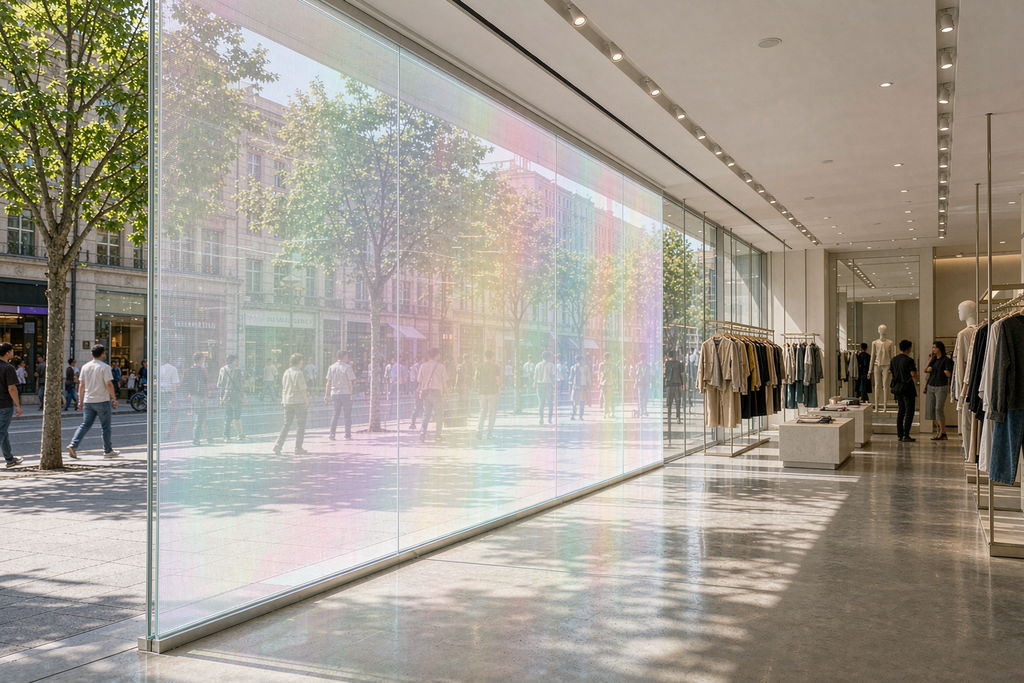
For retail environments with large window fronts, this balance of visibility and digital impact is unmatched by any competing technology.
2. Flexible Curved and Shaped Configurations
Rigid LED panels only work on flat surfaces. Curved walls, columns, and irregular architectural features used to be off-limits for digital displays. A flexible transparent led screen changes that equation.
The panels can bend to a minimum radius of 600mm or even tighter, depending on the model. This makes it possible to wrap displays around curved glass facades, cylindrical columns, and other non-flat surfaces. The screen follows the architecture, not the other way around.
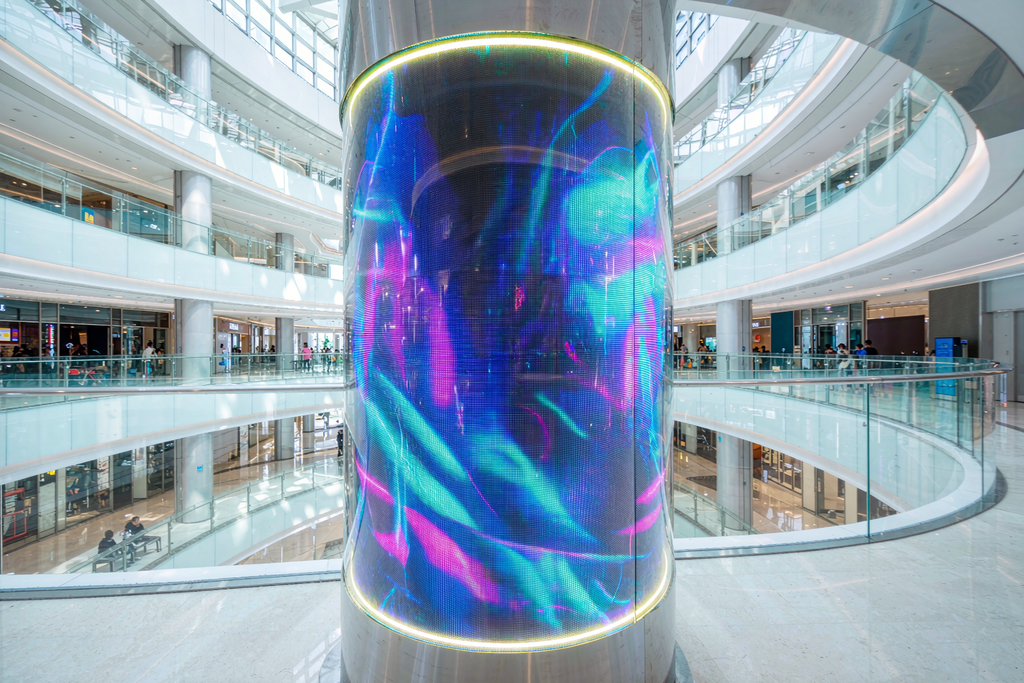
For flagship retail stores and museum installations, this is a major creative unlock. Designers can integrate displays into the building shape itself rather than adding rectangular boxes to the design.
3. Lightweight and Easy to Install
Glass walls cannot always support heavy display structures. A traditional LED wall might weigh 30 to 50 kg per square meter. Most architectural glass and curtain walls are not designed for that kind of load.
A flexible transparent led screen typically weighs between 6 and 15 kg per square meter. This much lower weight makes it suitable for retrofit installations on existing glass surfaces. The panels are also thin, often under 20mm in depth, so they do not project far into the room.
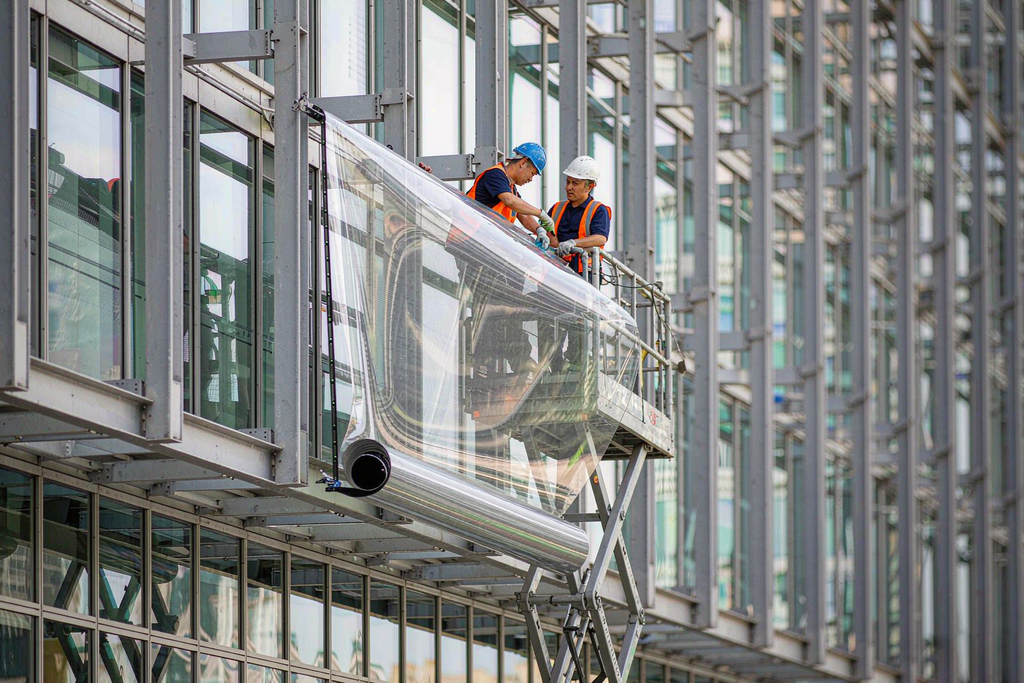
For building owners and contractors, this lightweight design simplifies both the structural engineering and the installation process. Many installations can be completed in a single day without modifying the building itself.
4. High Brightness for Both Indoor and Semi-Outdoor Use
Glass-fronted spaces often have strong ambient light. Daytime sun pouring through a window can wash out most displays. A flexible transparent led screen delivers brightness levels from 2000 to 6000 nits, which keeps content readable in nearly any lighting condition.
For ground-floor retail stores with large windows, this brightness allows the same display to run effectively from morning to night. There is no need to manually adjust brightness throughout the day. Many models include automatic brightness sensors that respond to ambient light in real time.
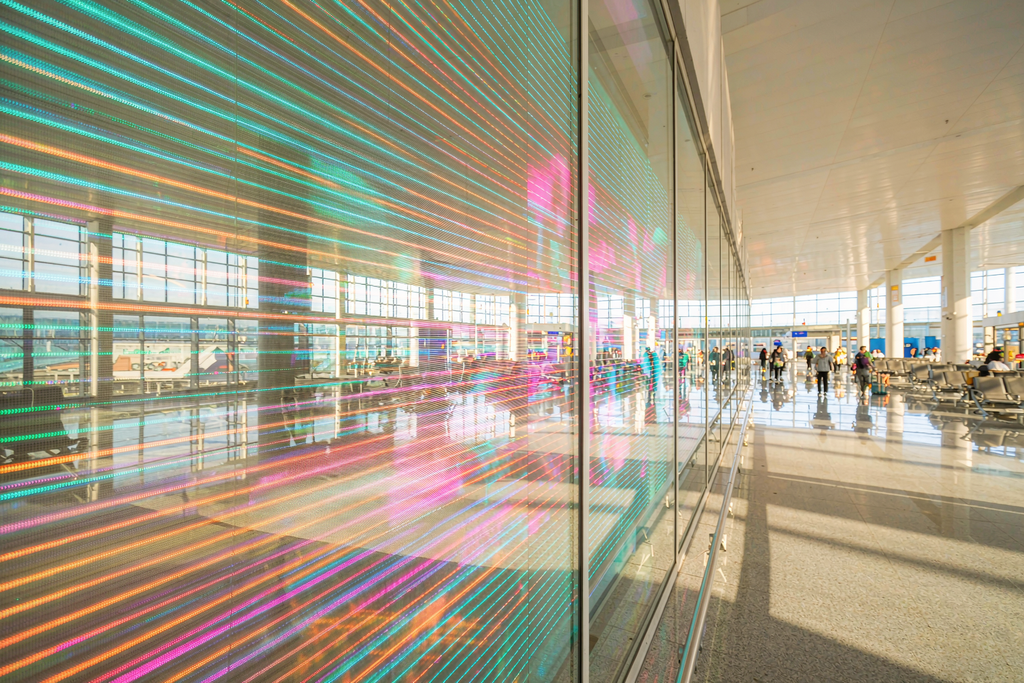
This makes the technology equally suitable for indoor malls, glass-walled offices, and semi-outdoor spaces like transit stations and airport concourses.
5. Energy Efficient Operation
Power consumption is a serious concern for large display installations. Buildings with multiple glass walls covered in screens can draw significant electricity if the displays are inefficient.
A flexible transparent led screen uses far less power than a traditional LED wall of the same size. The transparent pixel design means only a small portion of the panel surface actually emits light. The rest lets light pass through. This translates to 30 to 50 percent lower power consumption compared to a fully populated LED wall at the same brightness.
For brands and building operators focused on sustainability, this efficiency matters. It also keeps the operational cost low, which makes larger installations economically viable.
6. Wide Range of Applications Across Industries
The flexibility of this technology has led to adoption across a remarkable range of industries. Some common applications include:
- Retail storefront windows and product showcases
- Shopping mall atriums and glass railings
- Museum exhibitions and gallery installations
- Corporate lobbies and boardroom glass walls
- Airport and transit station signage
- Stage design and concert backdrops
- Architectural facades and curtain walls
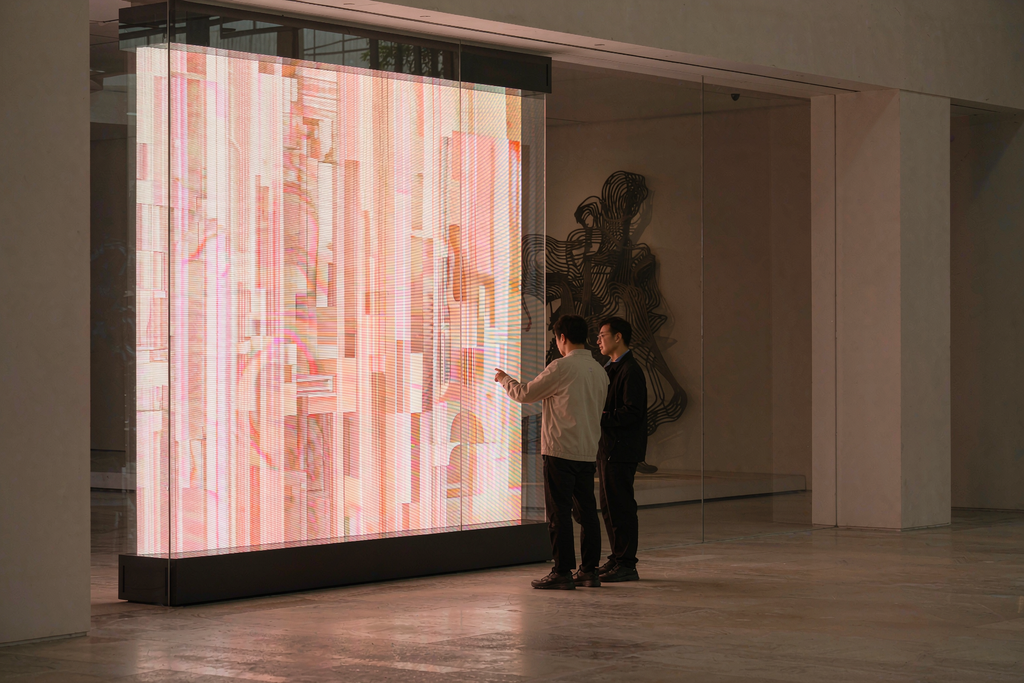
This versatility means that the same fundamental technology serves very different markets. A museum curator, a fashion retailer, and a concert producer can all use the same kind of panel to achieve very different creative goals.
7. Strong Industry Momentum and Falling Prices
For years, flexible transparent led screen products were too expensive for most buyers. Early commercial panels cost several thousand dollars per square meter. That has changed dramatically.
Mass production has scaled up. Yields are higher. Competition among Chinese, Korean, and European manufacturers has pushed prices down. Industry analysts expect another 20 to 35 percent price drop over the next two years as production volumes continue to grow.
This price trajectory matters. As costs come down, flexible transparent led screen installations are moving from flagship projects to mainstream retail and commercial real estate. Within a few years, mid-size installations are likely to be a standard option for any glass-fronted retail space.
Final Thoughts
A flexible transparent led screen is no longer an experimental technology. It is a mature commercial product delivering real business value across retail, architecture, hospitality, and entertainment. The benefits are clear: see-through design, flexible installation, light weight, high brightness, energy efficiency, broad applicability, and falling prices.
For brands and building owners planning a major display upgrade in 2026, this technology deserves serious consideration. Work with a supplier who understands both the technical requirements and the practical realities of installing displays on glass surfaces. The right partner will help you select the right pixel pitch, transparency level, and mounting approach for your specific project.
If you want to learn more about the underlying LED display technology, you can read the LED display article on Wikipedia.
To explore our full range of flexible transparent led screen solutions for retail and architectural projects, visit our Flexible Transparent LED Solutions.