A Practical Guide to Choosing the Right LED Display Screen for Your Business
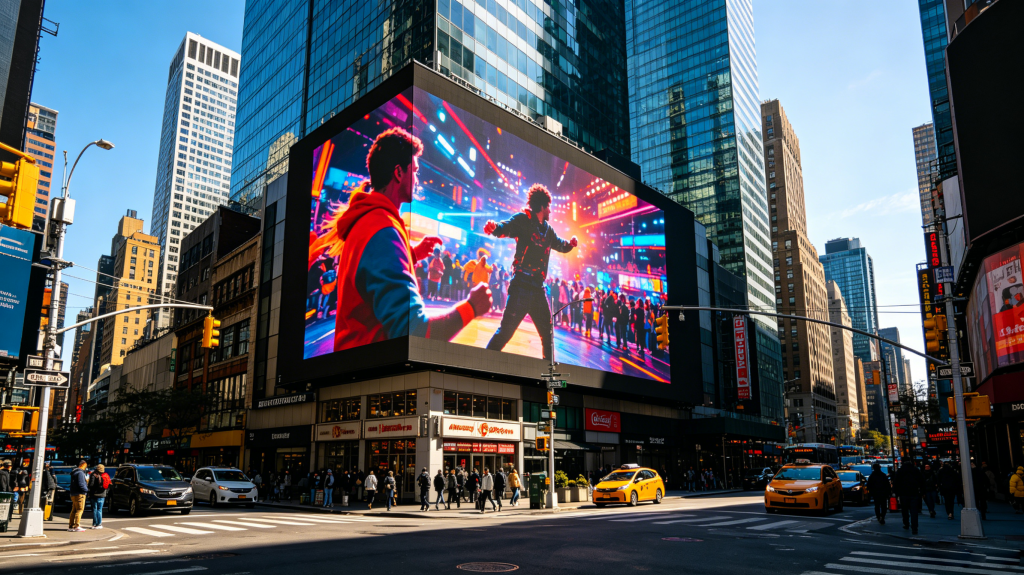
Are you looking for an LED display screen for your business? You are not alone. More companies are switching to LED solutions every year. But with so many options on the market, how do you pick the right one? This guide will walk you through everything you need to know.
In this article, you will learn 7 key factors. These factors will help you make a smart purchase decision. We keep it simple. No confusing jargon. Just clear, practical advice.
What Is an LED Display Screen?
An LED display screen is a flat panel display that uses light-emitting diodes as its light source. Unlike traditional LCD screens, this technology produces its own light. This means brighter images and better energy efficiency.
An LED display screen is made up of many small LED modules. These modules are assembled into panels. The panels are then combined to create a screen of any size. This modular design makes it incredibly flexible.
You can find this technology in many places today. Retail stores use it. Sports venues use it. Corporate offices use it. The technology has become affordable for businesses of all sizes.
7 Key Factors Before Buying an LED Display Screen
1. Pixel Pitch
Pixel pitch refers to the distance between individual LED pixels. It is measured in millimeters. A smaller pixel pitch number means a sharper, more detailed image.
For outdoor use, you need a pixel pitch that matches your viewing distance. If viewers stand far away, a larger pixel pitch works fine. If they stand close, choose a smaller pixel pitch for clarity.
Common pixel pitches for outdoor applications range from P4 to P10. Indoor screens often use P2 or P3. Always match the pixel pitch to your specific application.
2. Indoor vs. Outdoor LED Display Screen
These are two different categories. They are not the same product.
An outdoor LED display screen is weatherproof. It has a high IP rating. It resists rain, dust, and extreme heat or cold. It is also much brighter to compete with sunlight.
An indoor LED display screen is designed for controlled environments. Brightness levels are lower. The focus is on color accuracy and image quality. Weatherproofing is not required indoors.
Never install an indoor screen outside. The components will fail quickly. Always choose the correct type for your environment.
3. Brightness Requirements
Brightness is measured in nits. A higher nit number means a brighter display. This matters a lot for outdoor use.
For outdoor applications, aim for at least 5,000 nits. This ensures the screen stays visible in direct sunlight. Indoor screens typically need only 500 to 1,000 nits.
If the screen is too dim, the content will be invisible in bright conditions. Always check the brightness specification before buying.
4. LED Display Screen Resolution
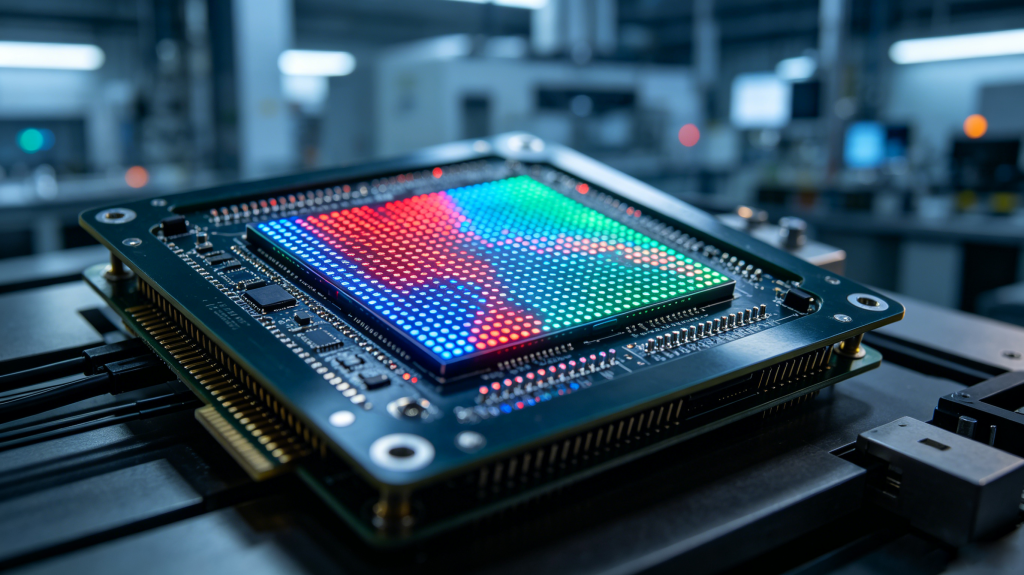
Resolution determines how sharp your content looks. It is calculated by the number of pixels. More pixels mean a sharper image.
For large installations, resolution needs to be balanced with viewing distance. A very high resolution on a distant screen is wasted. Match the resolution to the size and viewing distance.
Common resolutions include 1920×1080 (Full HD) and 3840×2160 (4K). Choose based on your content needs and viewing distance.
5. Cabinet Design
The cabinet houses the display modules. There are two main types available.
Fixed cabinets are sturdy and permanent. They are ideal for permanent installations. Rental cabinets are lighter and designed for frequent setup and takedown. They are best for event companies.
Magnetic mounting is another option. It reduces installation time significantly. It works well for indoor fixed installations.
Consider your installation needs before choosing a cabinet type.
6. LED Display Screen Refresh Rate
The refresh rate affects image smoothness. It is measured in hertz (Hz). A higher refresh rate means smoother motion.
For televised events, the screen must have a high refresh rate. Look for at least 3,840 Hz. This prevents flickering on camera. Standard rates are 1,920 Hz, 3,840 Hz, and 7,680 Hz.
A low refresh rate can cause visual problems. It may show scan lines on video footage. Always verify this specification before purchasing.
7. Total LED Display Screen Cost
The display panels are only part of the total cost. You also need to budget for several other items.
Structure and mounting hardware add cost. Power distribution equipment is needed. The control system is an additional expense. Installation labor can be significant.
Shipping and customs may apply for international orders. A complete project often costs two to three times the panel price alone. Request a full itemized quote from your supplier.
Common LED Display Screen Applications
This technology can be used in many ways. Here are the most popular applications.
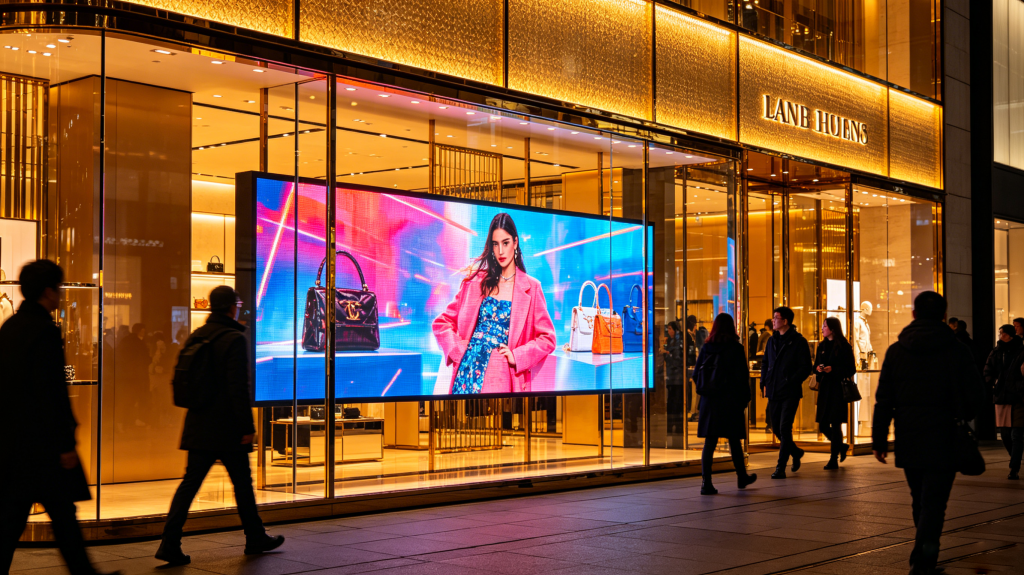
Retail stores use it for storefront signage. Dynamic content attracts more foot traffic than static signs.
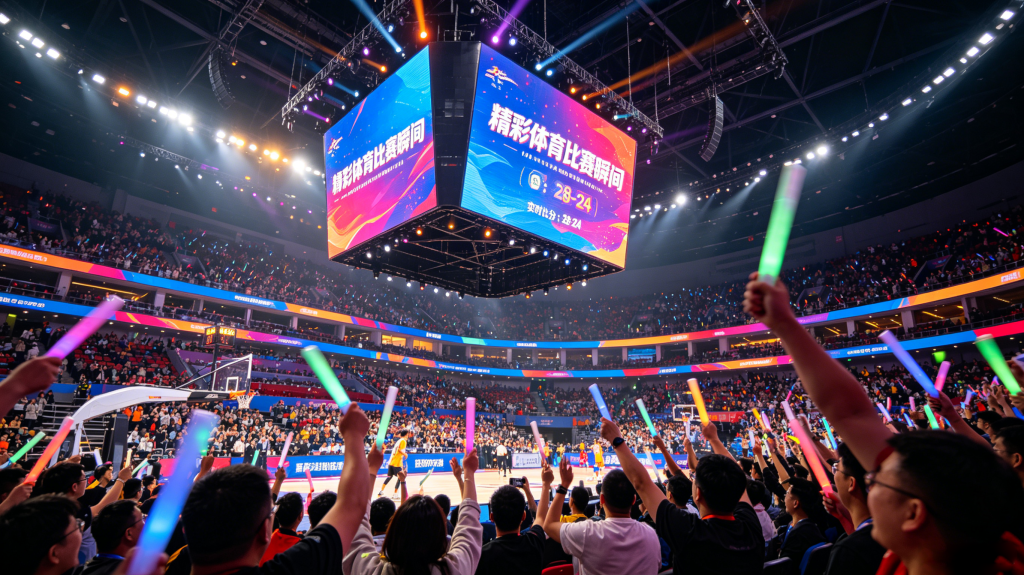
Sports venues install large units for scoreboards. Fans can see replays and live action clearly.
Corporate events rely on it for presentations and branding. The large format engages audiences effectively.
Transportation hubs use it for schedules and announcements. Airports and train stations benefit from bright, readable displays.
Outdoor advertising uses LED billboards for campaigns. Content can be changed remotely and instantly.
How to Choose an LED Display Screen Supplier
Your supplier matters as much as the product. Here is what to look for when choosing a supplier.
Look for a supplier with extensive experience. Ask for project photos and client references. A reliable supplier will share this information freely.
Request a sample panel before placing a large order. Test it in your actual environment. Verify the brightness, color, and overall quality.
Check the warranty terms. A quality product should come with at least a 2-year warranty. Longer warranty periods indicate manufacturer confidence.
Communication quality matters. A responsive supplier who replies within 24 hours is more reliable. Poor communication often signals problems with after-sales support.
LED Display Screen FAQs
**How long does an LED display screen last?**
A quality LED display screen typically lasts 100,000 hours. This is roughly 11 years at 24 hours of daily use. Most businesses run their screens for 8 to 12 hours per day. This extends the lifespan considerably.
**Can it be used in rain?**
Yes, if it has a proper IP rating. Look for IP65 or higher for outdoor use. This rating means the unit is dust-tight and protected against water jets.
**What is the minimum size?**
There is no minimum size. Standard modules come in 500x500mm or 640x640mm sizes. A 2×2 configuration creates a functional display. You can scale up to any size from there.
**How do I control content?**
Content is managed through control software. You upload images or videos and schedule playback. Some systems support real-time content updates. Others run on a fixed playlist schedule.
Final Thoughts on LED Display Screen
The LED display screen market is evolving rapidly. Technology improves every year. Prices continue to drop. Now is a great time to invest in one for your business.
Whether you need an outdoor unit for advertising or an indoor solution for corporate events, preparation is key. Understand your requirements. Compare your options. Choose a supplier you can trust.
A well-chosen LED display screen can transform your space. It can boost your brand visibility. It can engage your audience. Take your time. Make an informed decision.
**Related Reading:**
– [[P3产品页文案]] — Explore our P3 outdoor LED display screen product specs
– [LED display on Wikipedia] — Learn the technical background of LED display technology