Why the Type of LED Display Screen Supplier Matters More Than the Spec Sheet
Buyers spend hours comparing pixel pitch, brightness, and cabinet weight. These specs matter, but they rarely decide the outcome. The single biggest variable in an LED display project is who actually builds and ships the hardware, which means the type of led display screen supplier you choose comes first.
There are only three types of led display screen supplier in the market. Factory direct manufacturers, trading companies, and authorized brand distributors. Each one delivers similar-looking panels at very different prices, with very different levels of accountability. Understanding which type you are dealing with tells you more than any specification sheet.
This guide compares all three side by side, so you can match the supplier type to your project size and risk tolerance. Each type is judged on the same seven dimensions, which makes the differences easy to see.
The Three Supplier Types at a Glance
| Dimension | Factory Direct Manufacturer | Trading Company | Authorized Brand Distributor |
|---|---|---|---|
| Owns production lines | Yes | No | Usually no |
| Typical price positioning | Lowest to mid | Lowest | Highest |
| Customization | Full | Limited | Limited to catalog |
| Minimum order | Medium to high | Low | Low to medium |
| Warranty source | Direct from factory | Depends on upstream | Backed by brand |
| Technical support | Engineering team | Sales only | Brand help desk |
| Best for | Large projects, repeat orders | Small orders, sample testing | Buyers who want brand assurance |
| Main risk | Communication and payment terms | Quality inconsistency | Price and long lead times |
Read that table twice. The cheapest option is not always the trading company, and the most expensive is not always the safest. Let us break down each one.
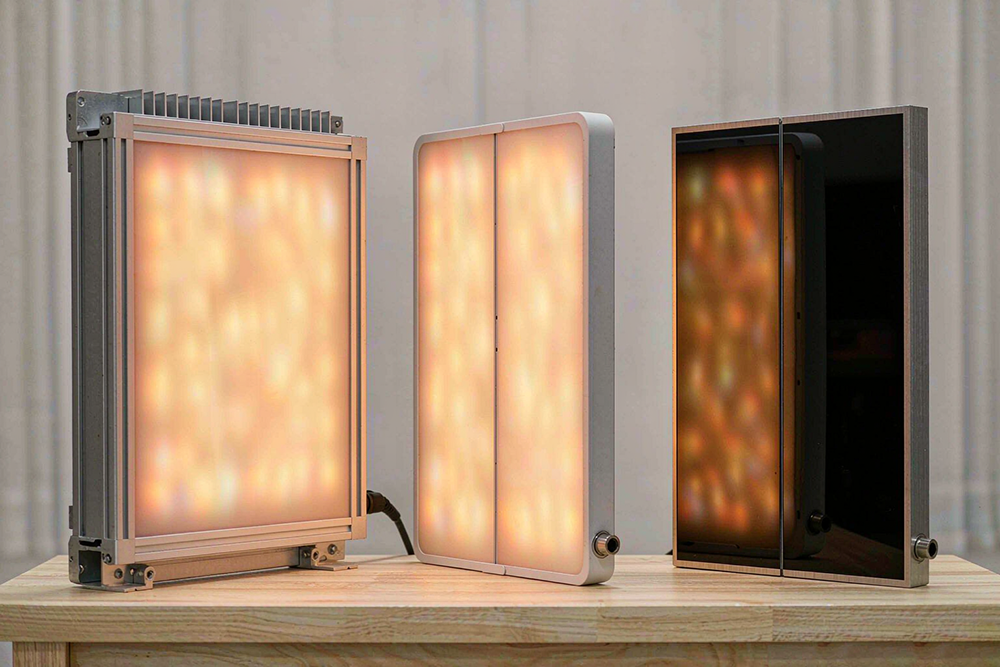
Type 1: Factory Direct Manufacturer
A factory direct manufacturer runs its own production lines. They buy LED chips, assemble cabinets, run burn-in testing, and ship finished panels under their own brand. There is no middle layer between you and the production floor.
Where this type wins: Customization, unit price at volume, and control. If you need a non-standard cabinet size, a curved panel, a special brightness rating, or a matching spare parts program built around your installed fleet, only a factory can do it quickly. Repeat orders also cost less, because nobody is taking a margin on the way through. A led display screen supplier of this type also has the shortest line between a problem on your wall and a fix on the production floor.
Where this type is weaker: Communication overhead falls entirely on the buyer. Factory sales teams often sit in a different time zone, use different terminology than you do, and are less practiced at managing long-running international relationships than a dedicated export team. Payment terms are usually stricter too. Deposits of 30 to 50 percent are common, and production slots can require booking weeks ahead. For a first-time buyer, this is where most first orders go wrong.

Who should choose this: Buyers with projects above roughly 100 square meters, buyers planning repeat orders across multiple locations, and buyers who need custom engineering work done quickly.
Type 2: Trading Company
A trading company does not manufacture. It sources panels from one or more factories and resells them under its own label, or sometimes under the factory’s label. The value proposition is convenience: one contact, one quote, one shipment.
Where this type wins: Very small orders and trial purchases. If you need 20 panels to test a market, or a single sign for one store, a trading company removes friction. They will often accept payment terms a factory will not, including smaller deposits, credit terms for established buyers, and mixed-product shipments. For a led display screen supplier of this type, the order size is the whole conversation.
Where this type is weaker: Accountability gets diluted. When something goes wrong, you may not know which factory built your panels. Warranty claims pass through one more layer, and quality can vary between production batches. Customization is often limited to what one of their partner factories already makes. Expect a led display screen supplier in this category to be unable to answer detailed technical questions without checking with a partner.

Who should choose this: One-off buyers, sample buyers, buyers testing whether LED is right for a location before committing, and anyone who needs unusual product combinations rather than volume.
Type 3: Authorized Brand Distributor
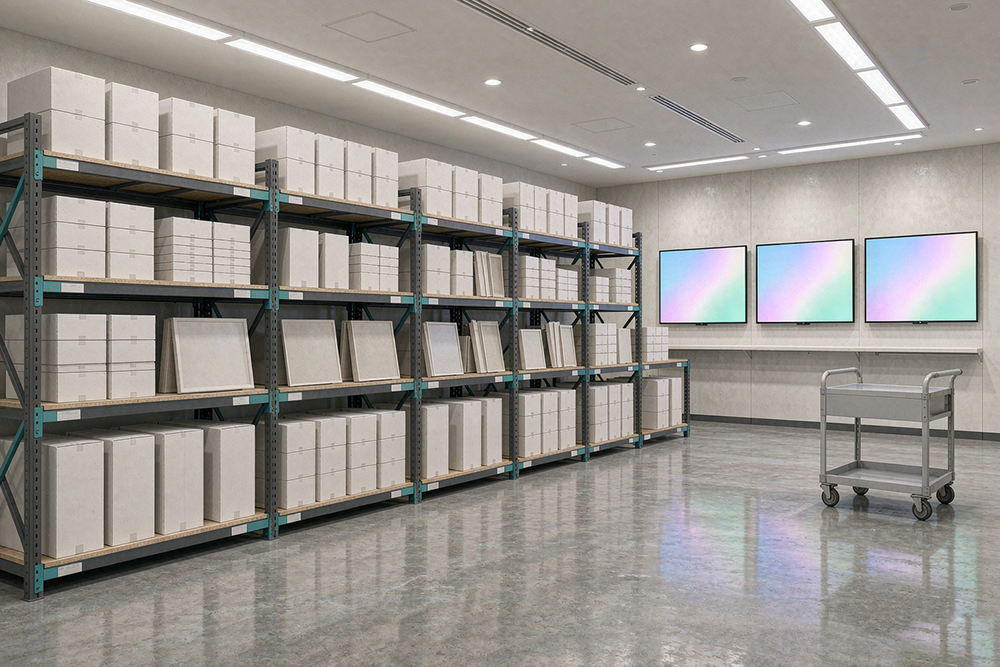
An authorized distributor sells panels made by a recognized brand. The brand owns the R&D and the manufacturing, and the distributor handles sales, logistics, and support in specific regions.
Where this type wins: Risk reduction. Brand panels carry established reputations, published test data, and certifications that international buyers can verify independently. Buyers with strict compliance requirements, government tenders, or corporate procurement rules often find brand approval is a shortcut. Local distributors can also deliver faster because they hold regional inventory. A led display screen supplier in this category trades margin for predictability.
Where this type is weaker: Price. You are paying for brand recognition and channel margin, which means the same physical panel costs meaningfully more. Custom work is constrained by what the brand allows. Lead times can be longer because orders flow through a regional allocation system rather than a direct production slot. For a led display screen supplier of this type, flexibility is usually the first thing you give up.
Who should choose this: Buyers with compliance-driven procurement, buyers in markets where brand reputation carries commercial weight, and buyers who want local inventory and fast replacement without holding their own spare stock.
How to Identify Which Type You Are Dealing With
Ask one question: who owns the production line that makes my panels?
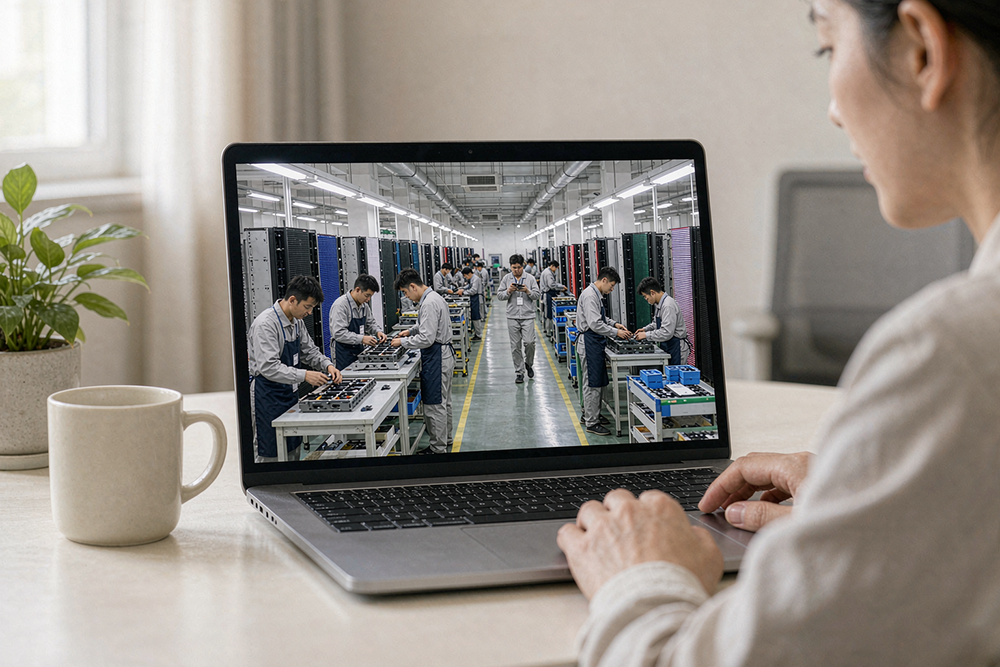
The answers reveal everything. A factory direct manufacturer will name the factory, offer a video walkthrough within days, and usually invite you to visit. A trading company will redirect the question toward the brand they represent, or describe their supply chain partners in general terms. An authorized distributor will be transparent about the brand and its territory.
Two supporting checks confirm what you hear. First, ask for the factory address and compare it with the registered company address on their invoice. Second, ask whether their warranty is honored directly by the factory, or through a separate service partner. A factory direct manufacturer backs the warranty itself. Whichever type you identify, make sure the answer comes from the led display screen supplier in writing before you pay a deposit.
The Hybrid Path Many Buyers End Up Choosing
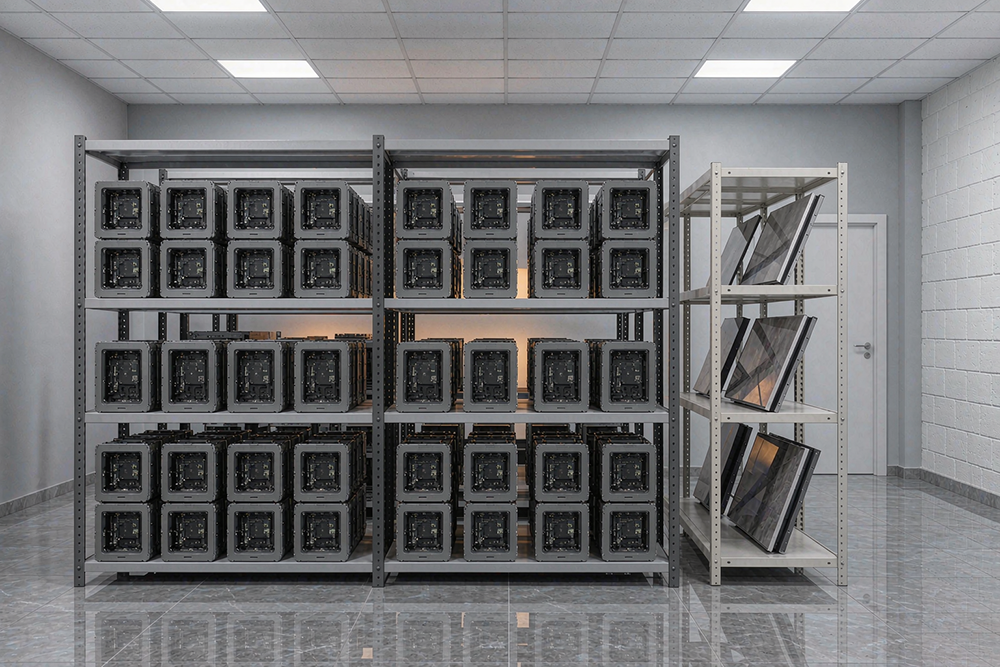
Most serious importers settle on a hybrid arrangement. They source standard panels from a factory direct manufacturer for volume pricing and customization, then hold a small quantity of brand panels as a critical spare. It costs a little more to manage two relationships, and it removes the single biggest risk in LED procurement. A led display screen supplier who is comfortable with this arrangement is usually a good sign in itself.
Whichever route you take, the structure of your agreement matters as much as the hardware. Get the payment schedule, the production slot confirmation, the inspection criteria, and the warranty terms in writing before any deposit goes out.
Final Thoughts
Choosing the right type of led display screen supplier is not about finding the cheapest quote. It is about matching your supplier structure to your order size, customization needs, and tolerance for risk. Factory direct manufacturers serve volume buyers best, trading companies serve one-offs and trials, and authorized distributors serve buyers who need assurance and compliance cover. Once you know which type you are dealing with, everything else in the evaluation becomes much simpler.
As you move forward, the practical next step is narrowing down which structure fits, then running that supplier type through a structured evaluation. Ask the specific operational questions that separate a reliable partner from a risky order, and record every answer in writing before you commit.
If you want to learn more about the underlying LED display technology, you can read the LED display article on Wikipedia.
Related Reading: The LED Display Sourcing Guide Series
This article is part of our procurement guide series on evaluating LED display partners.
- How to audit a led display manufacturer
- Top led screen manufacturers comparison
- Led display supplier commitments
- Led display screen manufacturer checklist
- Questions to ask a led display screen supplier
To explore our full range of LED display products and discuss your project requirements, visit our LED Display Supplier Options.