Why Choosing the Right LED Screen Supplier Matters

The global LED display market has been growing at a steady pace for years. Industry analysts project the market will surpass 30 billion USD by 2028. As the demand for digital signage, event backdrops, and architectural displays continues to expand, more companies are entering the market claiming to be a reliable LED screen supplier.
But not every supplier is the same. The difference between a smooth project and a costly mistake often comes down to the partner you choose. For commercial buyers, project managers, and procurement teams, evaluating an LED screen supplier properly is one of the most important steps in any display project.
Here are 7 things to look for when choosing an LED screen supplier in 2026.
1. Direct Factory Manufacturing Capability
Some suppliers are simply resellers or trading companies. They buy panels from a factory and resell them under their own brand. While this model can work for small orders, it creates risk for larger projects.
A true LED screen supplier operates its own factory with direct manufacturing capability. This means tighter quality control, faster customization, and better pricing. When issues arise, the supplier can address them at the production level rather than routing problems through a third party.

Before signing any contract, ask the supplier where their factory is located, how many production lines they run, and what certifications the facility holds.
2. International Certifications and Compliance
LED screens sold into overseas markets must comply with local regulations. Common certifications include:
- CE for the European market
- FCC for the United States
- RoHS for environmental compliance
- UL or ETL for North American safety standards
- CCC for the Chinese market
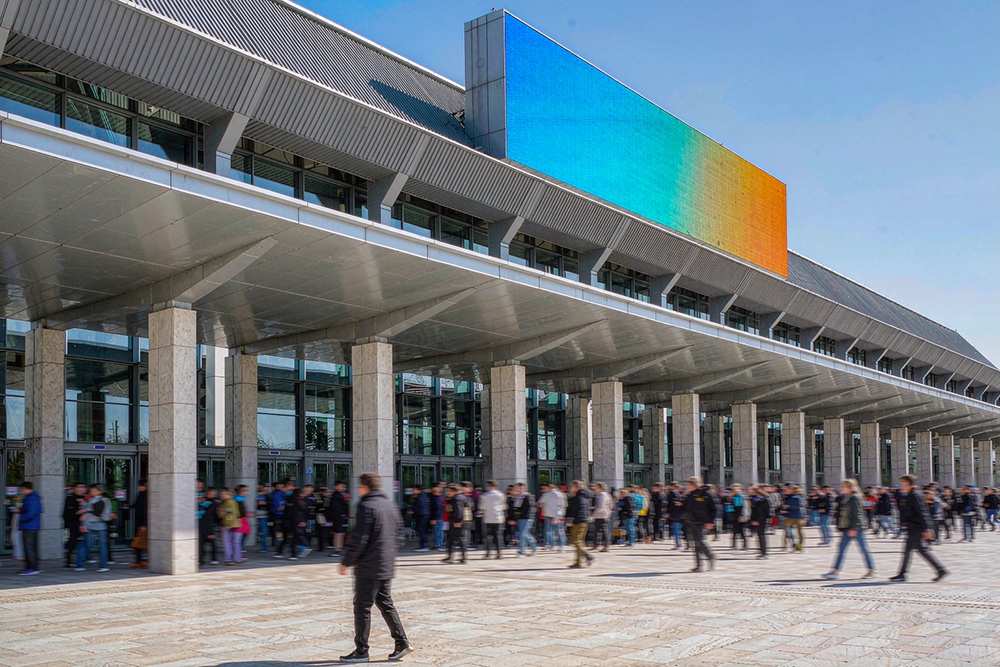
A professional LED screen supplier holds all relevant certifications and can provide documentation before shipment. They also understand the customs documentation, shipping terms, and pre-shipment inspection requirements that affect international buyers.
For buyers in regulated industries, this compliance documentation is not optional. It is essential.
3. Wide Product Range and Customization Options
Every project has different requirements. A control room might need fine-pitch panels in 16:9 aspect ratio. A concert stage might need a curved rental configuration. A retail storefront might need a transparent or flexible panel.
A capable LED screen supplier offers a wide product range covering:
- Indoor fine-pitch panels from P0.9 to P2.5
- Outdoor panels from P3 to P10
- Rental panels for events
- Transparent and flexible panels for creative installations
- Custom shapes, sizes, and configurations
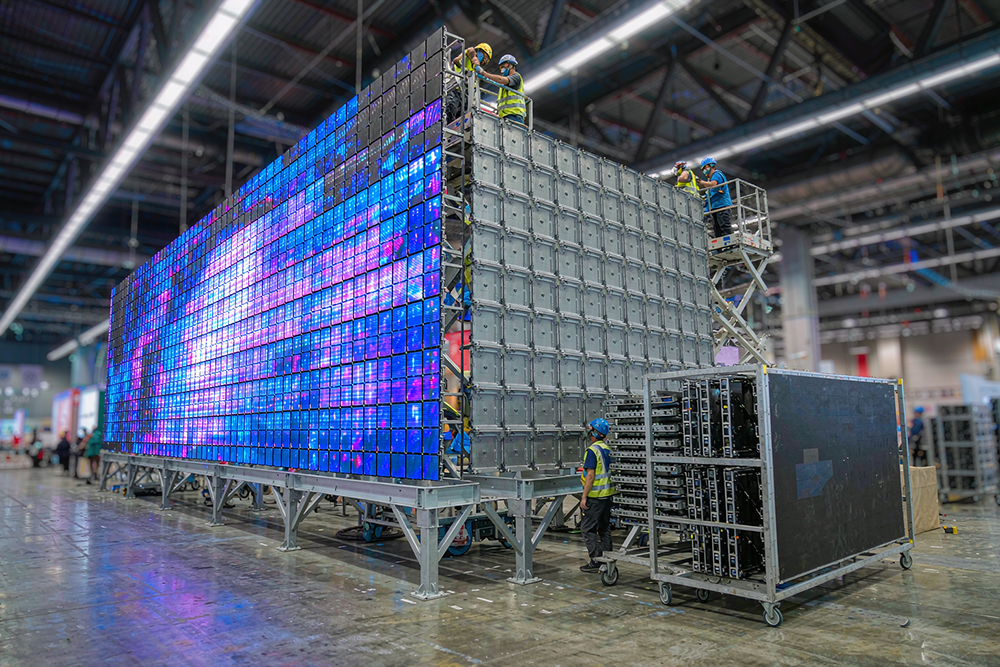
This range means that buyers can standardize on a single supplier across multiple projects, simplifying vendor management and training.
4. Engineering and Project Support
A display purchase is not just a product transaction. It often involves structural engineering, signal planning, content integration, and on-site commissioning. A strong LED screen supplier provides engineering support before, during, and after the sale.
Typical support services include:
- Site survey and structural assessment
- Custom structural design for mounting or rigging
- Signal flow planning and cable layout
- On-site installation supervision
- Operator training for the end user
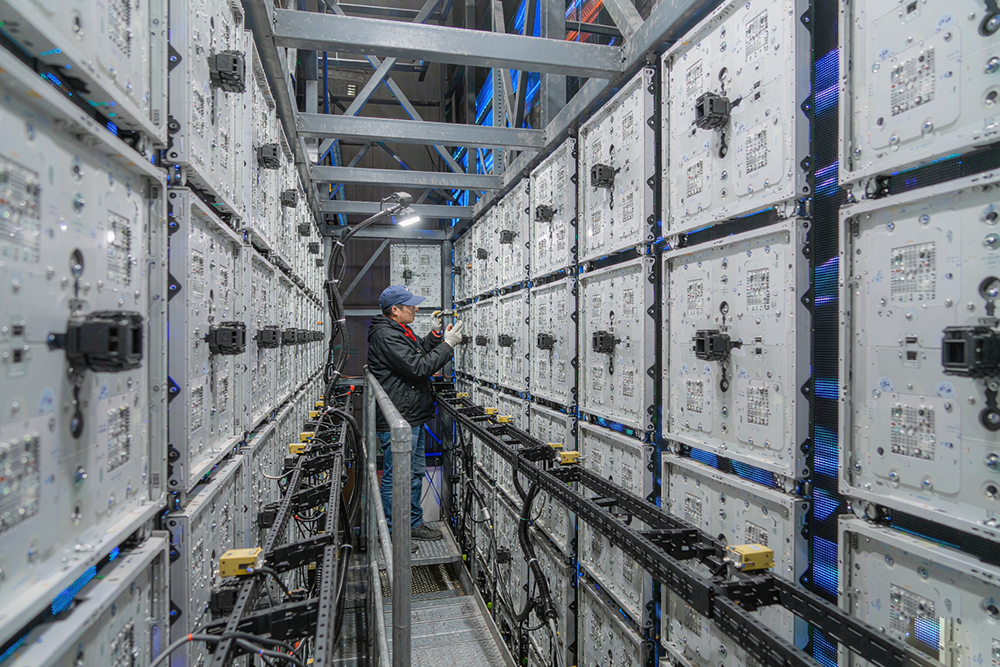
For buyers without deep technical knowledge in-house, this engineering support is often the difference between a successful installation and a project that runs over budget.
5. Reliable Logistics and Shipping Experience
International LED screen projects involve heavy, fragile, high-value cargo. Damage in transit, missed delivery windows, and customs clearance delays can all derail a project timeline.
A professional LED screen supplier has dedicated logistics experience. They understand FOB, CIF, and DDP shipping terms. They use proper packaging for fragile electronics. They provide tracking updates and handle customs documentation. They also carry adequate cargo insurance.
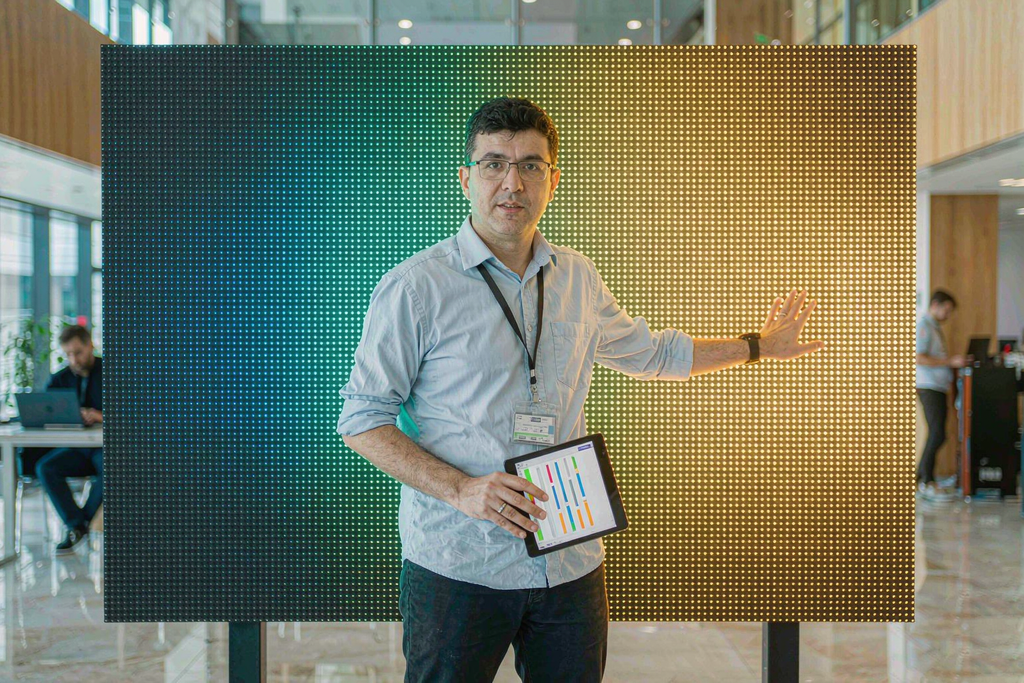
For buyers evaluating a new LED screen supplier, asking for references from previous international shipments is a good way to verify logistics capability.
6. Warranty Terms and After-Sales Service
A display that fails two years into service is a serious problem. Warranty terms and after-sales support are critical factors when choosing an LED screen supplier.
Look for suppliers who offer:
- 2 to 3-year warranty on panels
- Clear warranty terms covering parts and labor
- Spare parts availability for at least 5 to 7 years after purchase
- Online technical support for troubleshooting
- Local service partners in key markets
Some suppliers also offer extended warranty packages or service contracts for an additional fee. This can be worthwhile for mission-critical installations.
7. Transparent Pricing and Clear Communication
The cheapest quote is rarely the best deal. A trustworthy LED screen supplier provides transparent pricing with all costs clearly itemized. There are no hidden fees, surprise surcharges, or ambiguous terms.
Clear communication is just as important. A good supplier responds to inquiries within 24 hours, provides detailed technical documentation, and keeps the buyer informed throughout production and shipping. They speak fluent English and are easy to reach across time zones.
For international buyers, this communication quality is often the deciding factor when choosing between two suppliers with similar products and prices.
Final Thoughts
Choosing the right LED screen supplier is one of the most important decisions in any display project. The right partner delivers consistent quality, on-time shipping, technical support, and reliable long-term service. The wrong partner creates risk at every step.
When evaluating suppliers, take time to verify manufacturing capability, certifications, product range, engineering support, logistics experience, warranty terms, and communication quality. Request samples, visit the factory if possible, and ask for references from previous international buyers.
A trusted LED screen supplier is not just a vendor. They become a long-term partner in the buyer’s growth.
If you want to learn more about the underlying LED display technology, you can read the LED display article on Wikipedia.
To explore our full range of LED screen products and discuss your project requirements, visit our LED Screen Solutions.